Learning Outcome 1

You create engaging concepts and translate them into professional validated media products by applying user-centered design principles, visual design techniques and by exploring emerging trends and developments in media, design and technologies.

Proof 1

This was the very first moodboard I made for my portfolio, and the goal was simple: get a website up and running fast, with minimal effort, without overthinking. Even though it was made in a short time, it still pushed me in the right direction by giving me a clear vibe to build around instead of starting from nothing.

link to my old moodboard: moodboord
Proof 2

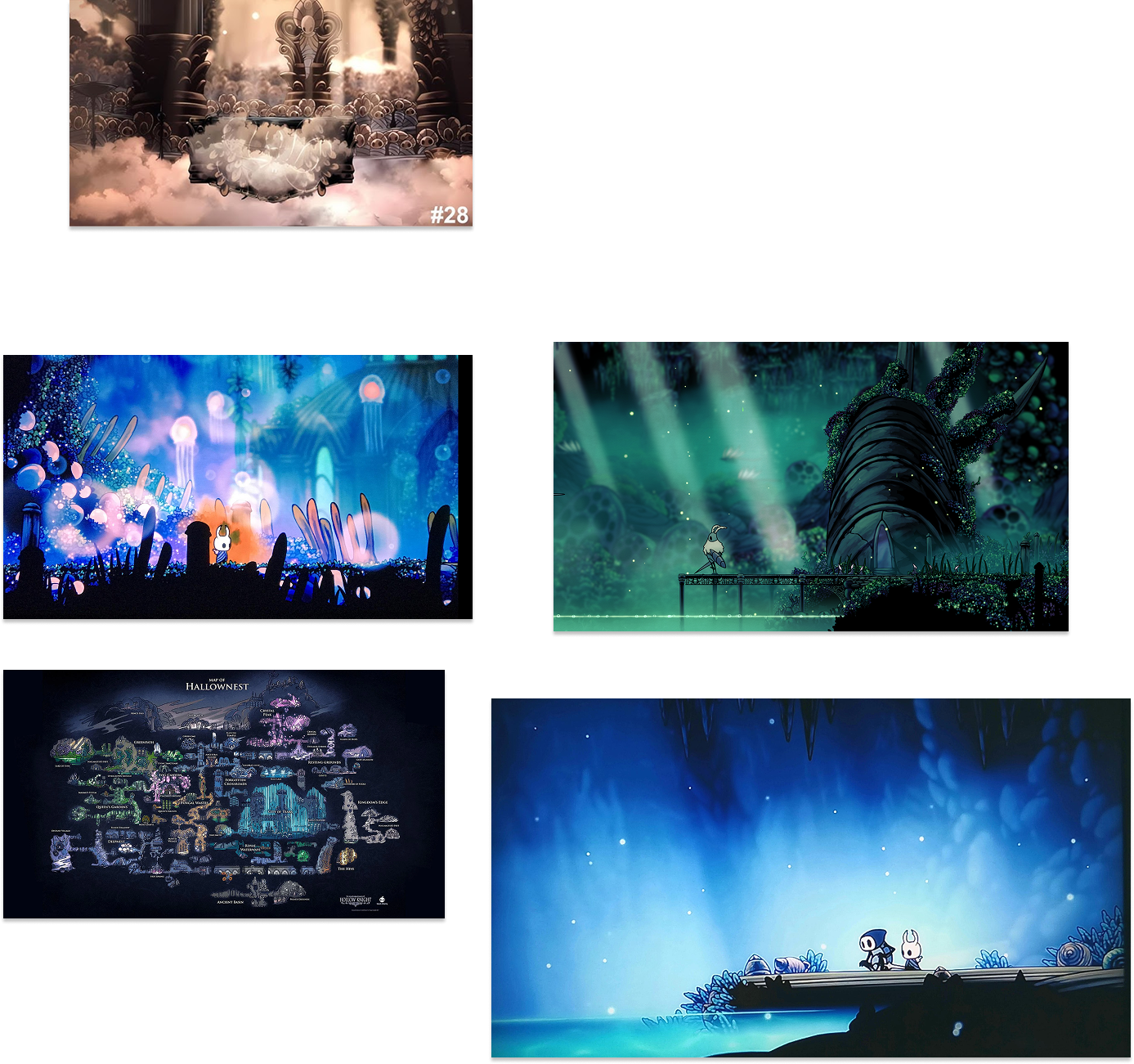
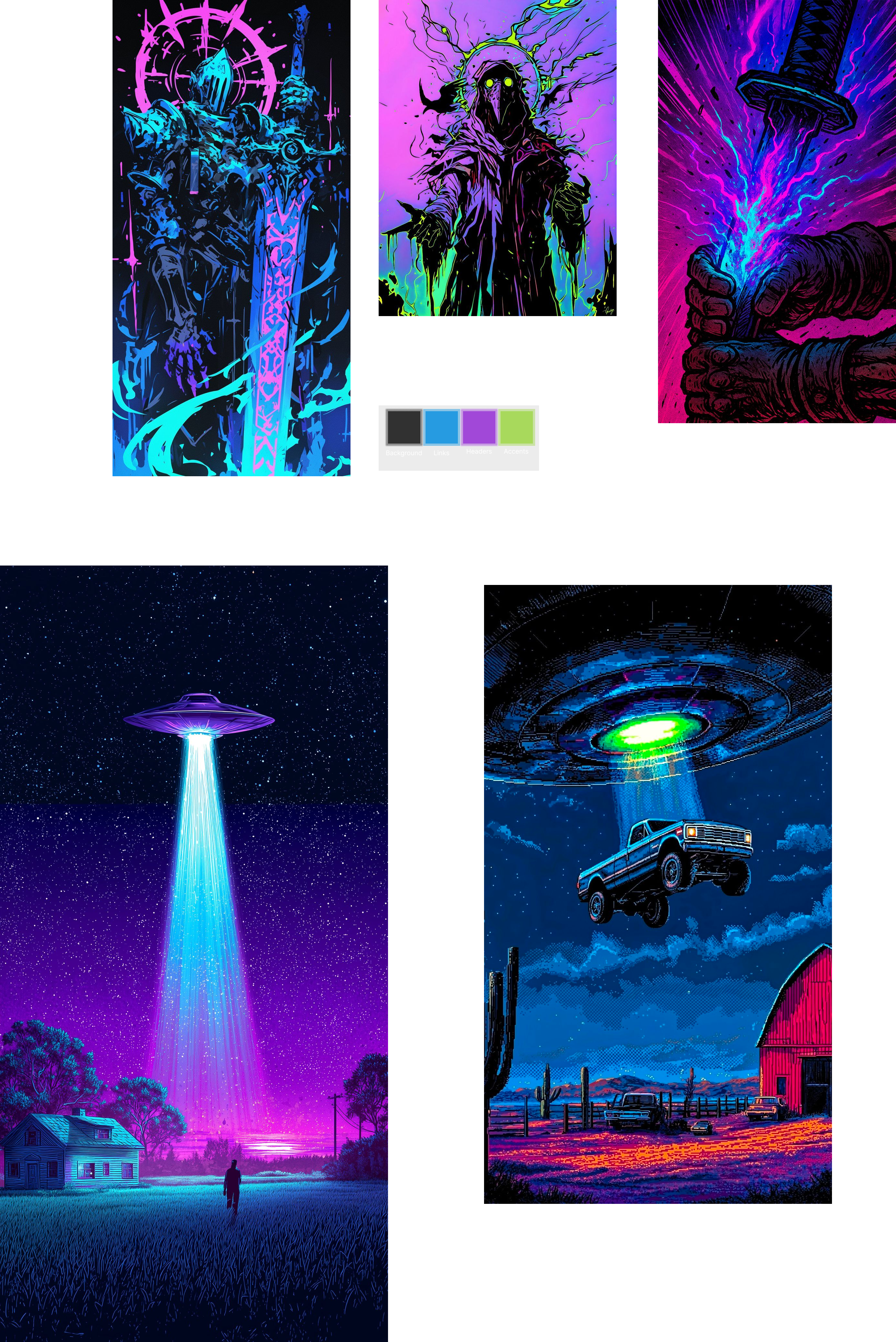
For the last assessment I made a new moodboard because I wanted the portfolio to feel more “gamified” and playful, not just a normal website. I collected images that had game vibes, but also some images that I only used for color, so I could pull a palette that still fits the vibe without forcing it.

Link to figma with moodboard: Figma
Proof 3

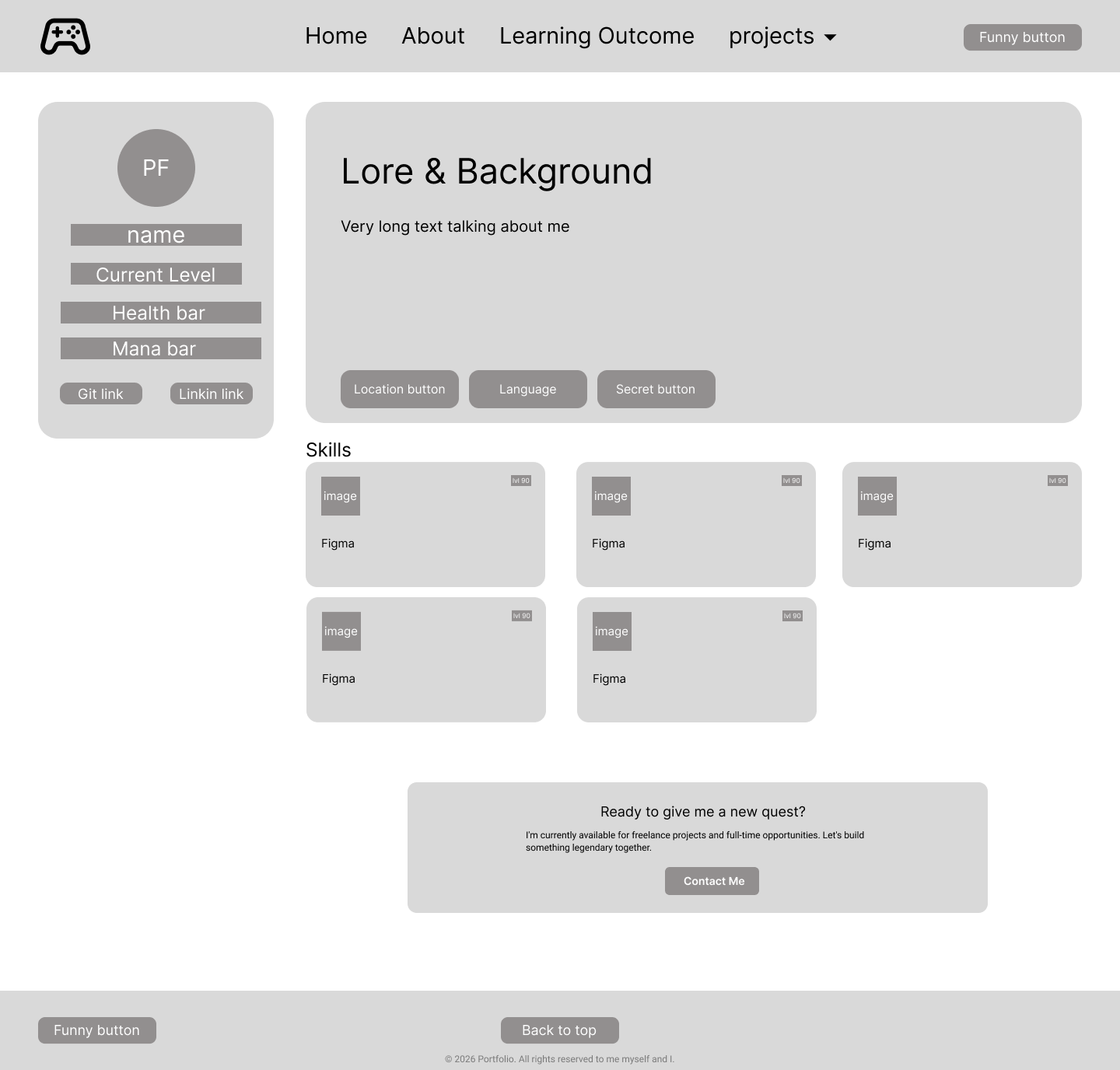
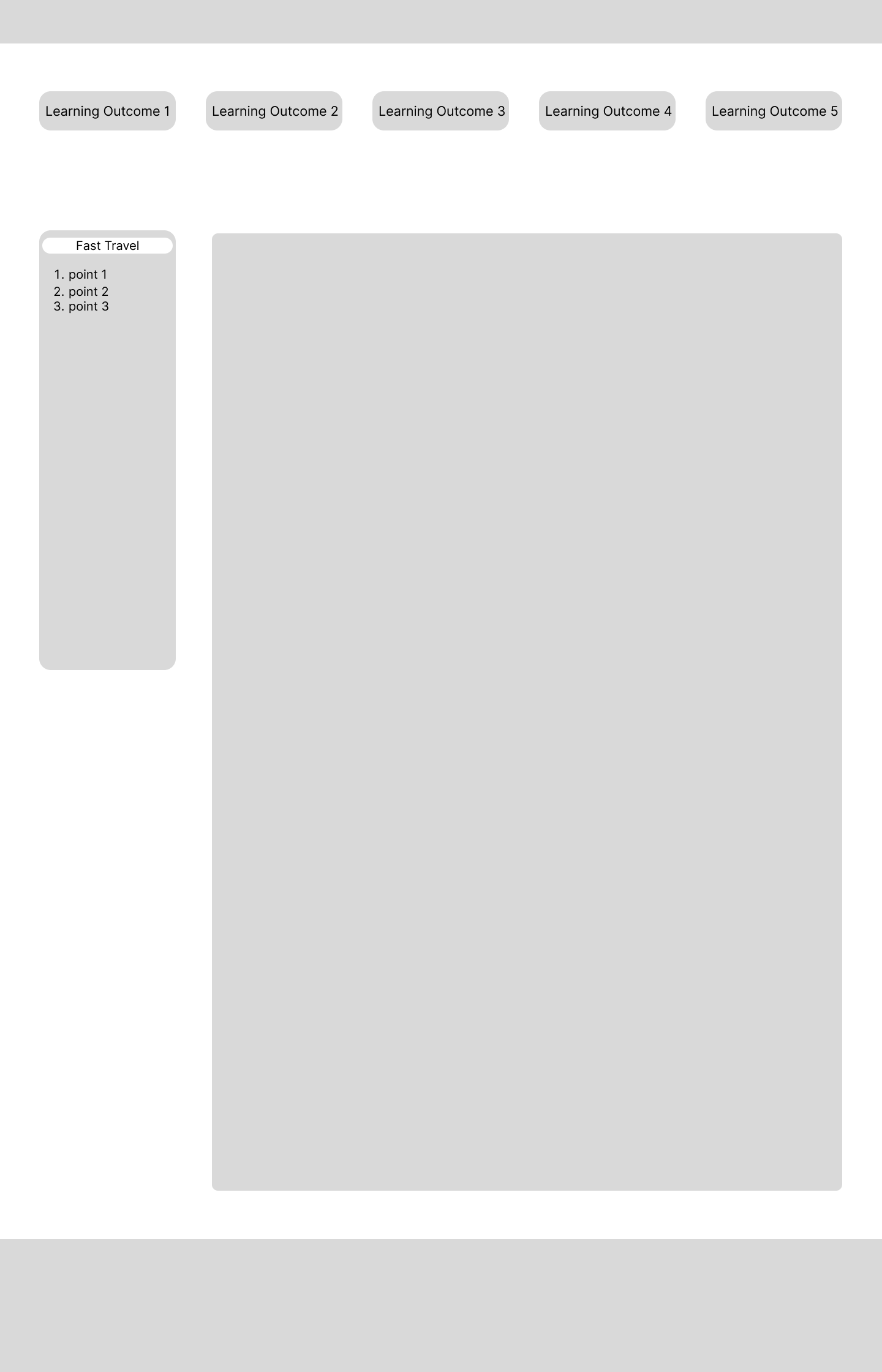
These are my first wireframes, made quick and simple so I could build a working portfolio website as soon as possible. It connects to LO1 under user-centered design because I planned the flow and structure first, so the site would make sense before I started styling anything.

Link to the first wireframe: old Wireframes
Proof 4

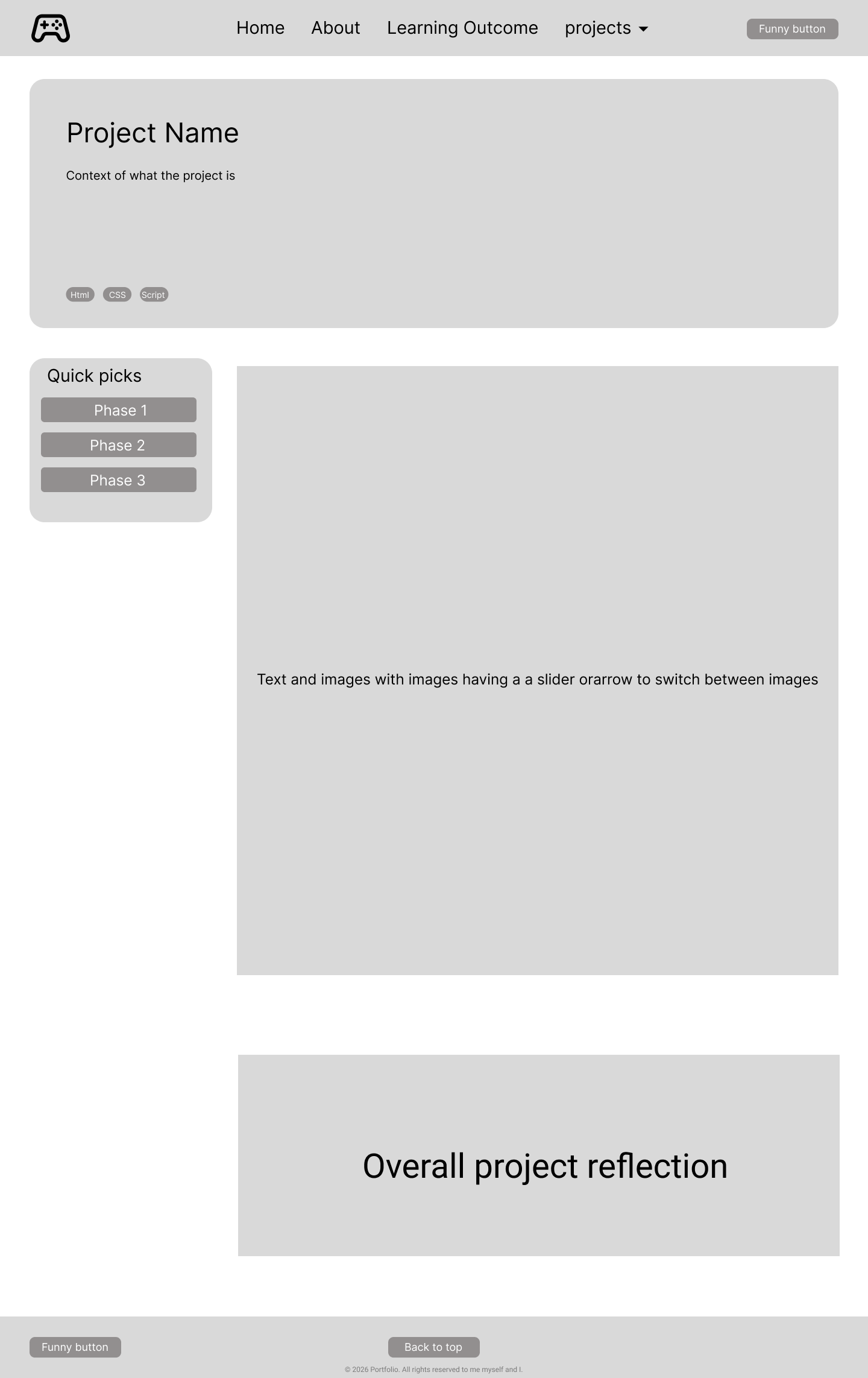
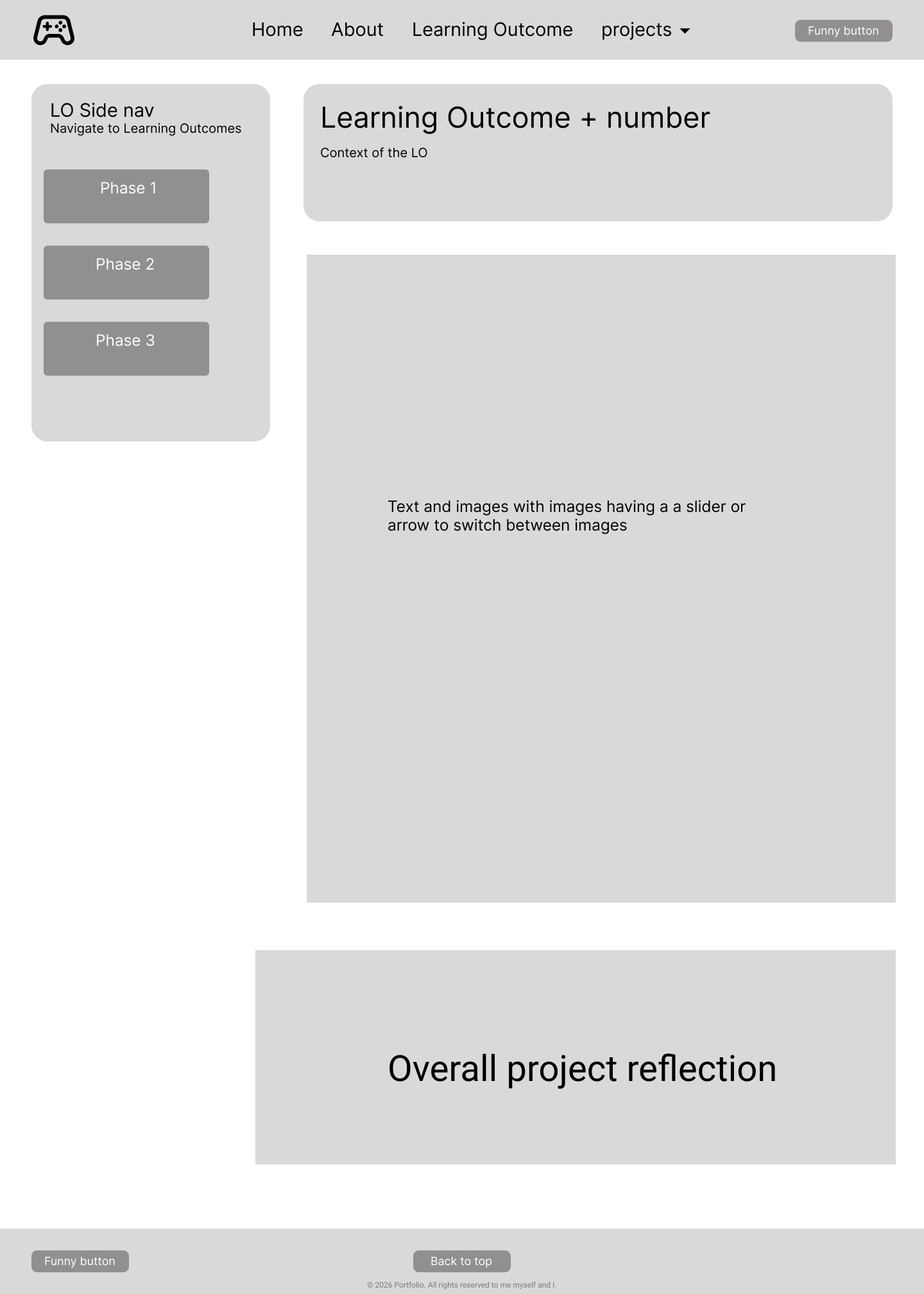
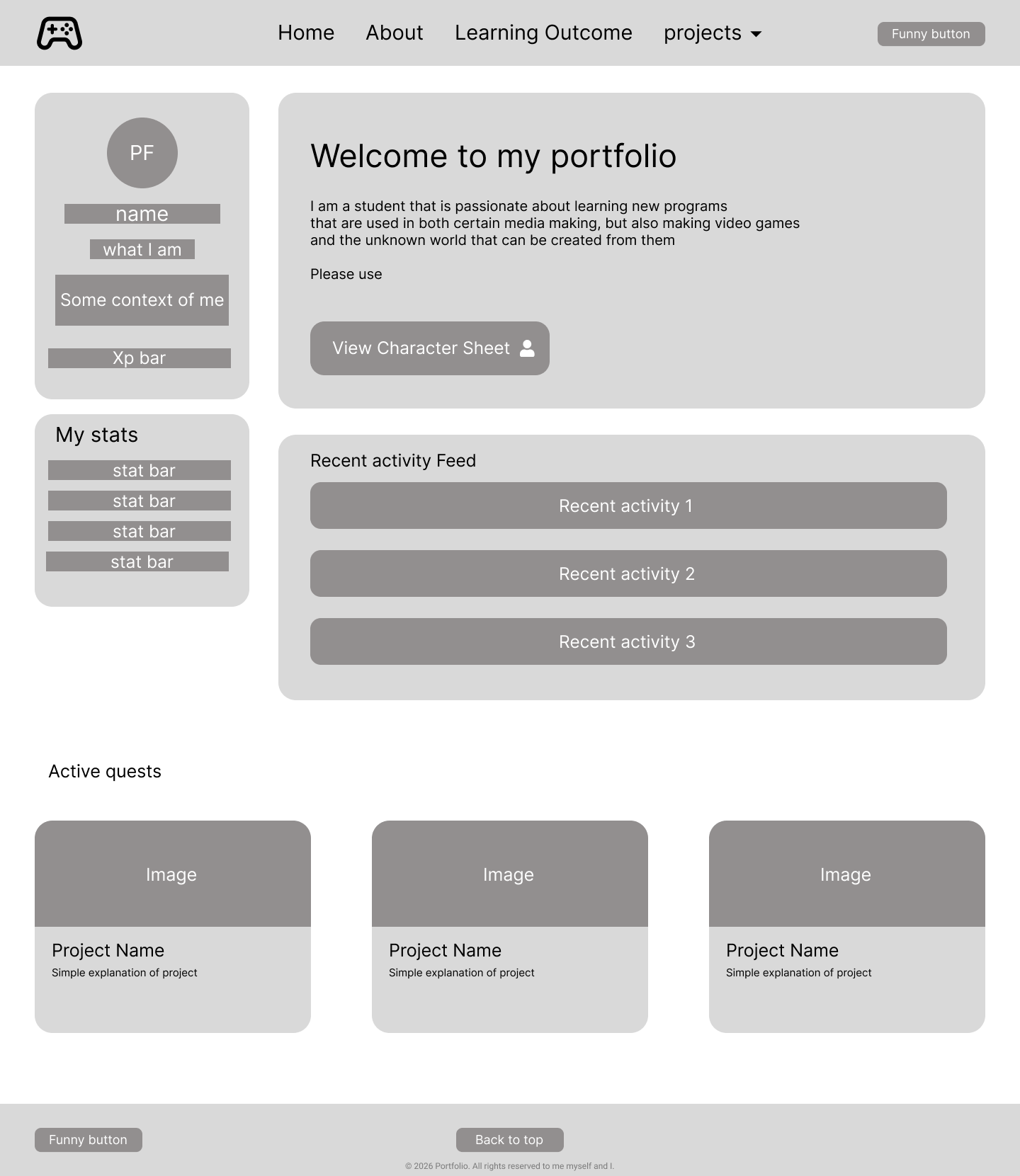
When the portfolio grew into more pages, I remade the wireframes to plan the final structure for the final version. This fits LO1 because it shows I didn't just keep building randomly, I stepped back, planned the layout per page, and made sure the navigation and spacing stayed clear.

This lead to its Figma: Figma
Proof 5

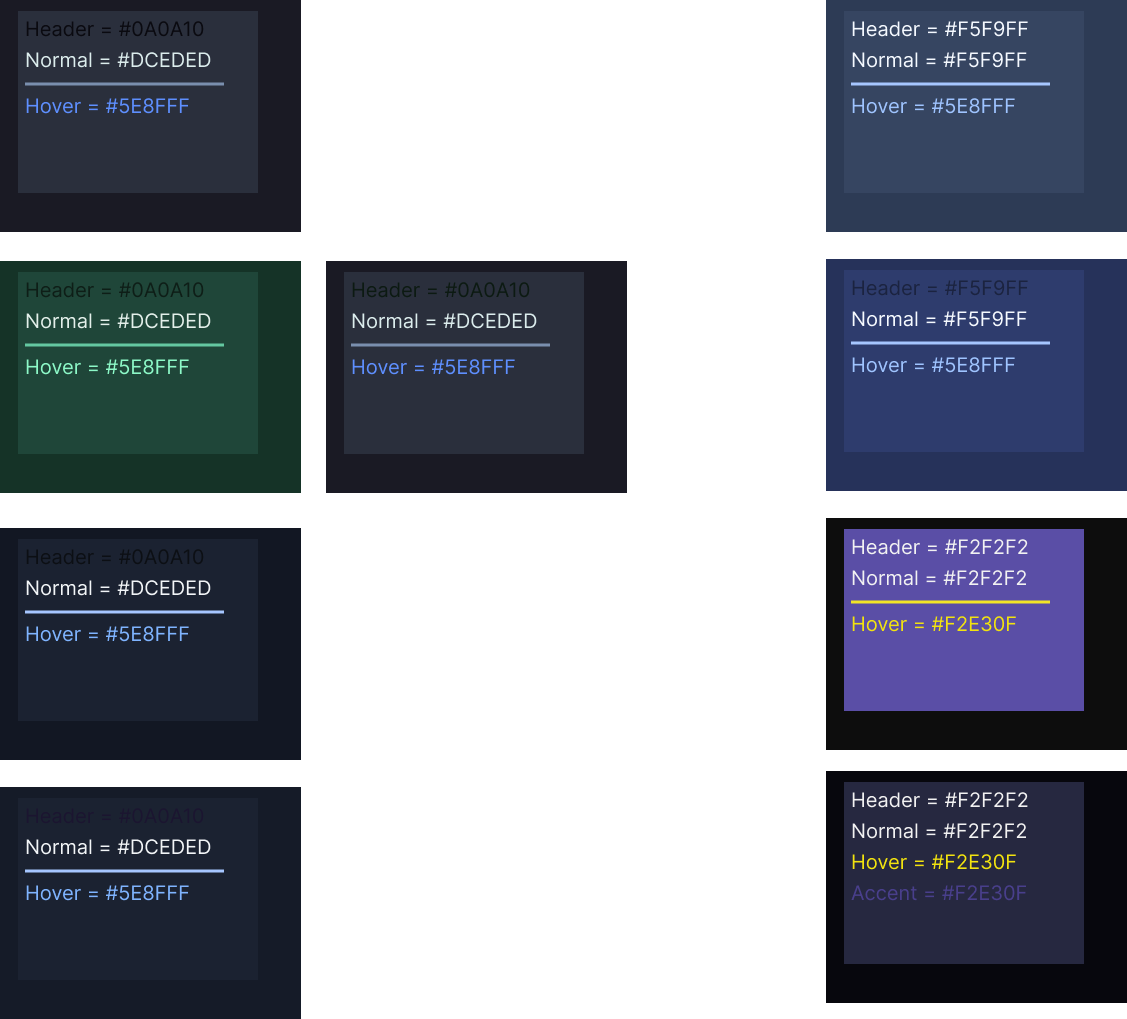
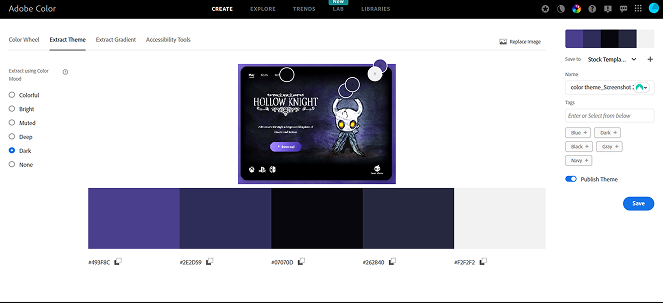
Here you can see how I used Adobe Color to extract colors from my early moodboard. I didn't land on the final palette in one go, I tried a couple of combinations until I found one that matched the dark vibe but still felt readable and usable on a real website.

link to where these tests were done: Figma
Proof 6

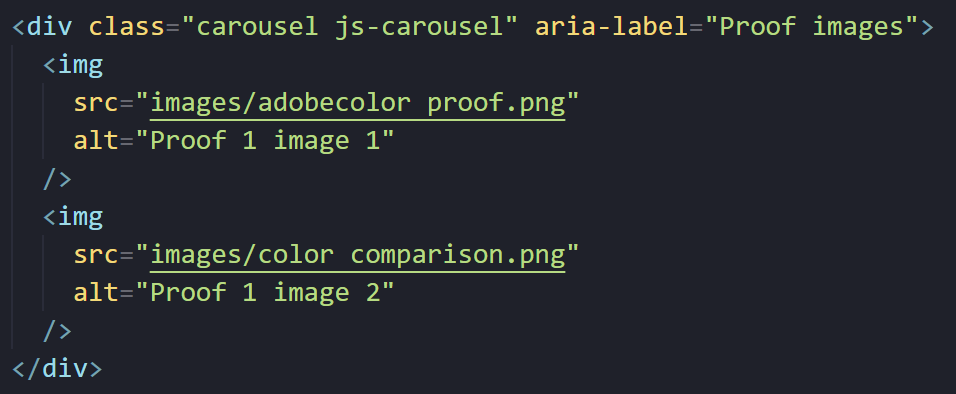
To make it easier for people to actually look through proof images, I built a small carousel. Instead of dumping a long wall of images on the page, visitors can click through them one by one, which keeps the page cleaner and makes the proof less overwhelming.
Proof 7

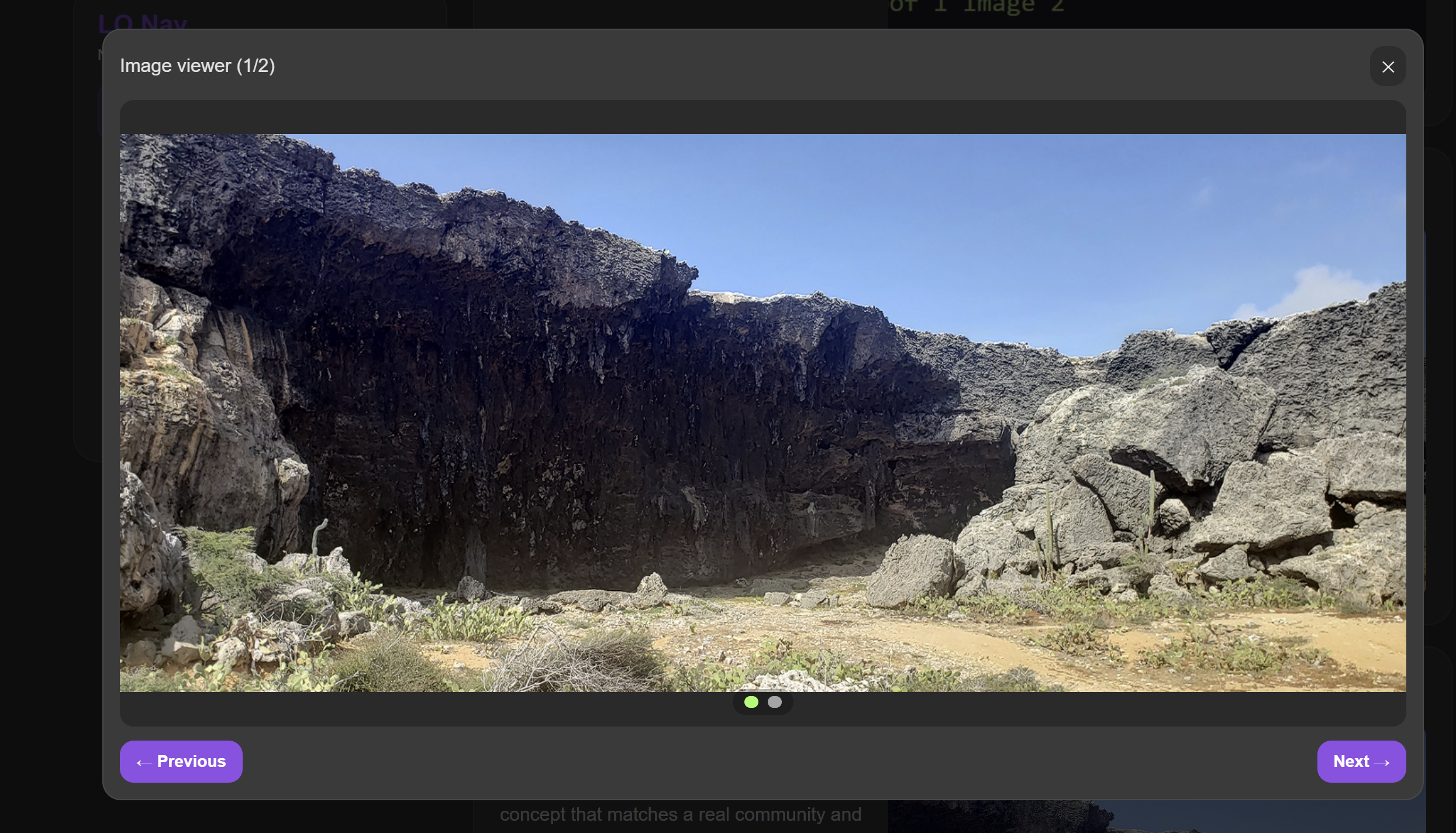
I also added a zoom/open view when you click an image. Not every screenshot fits nicely in the same frame, and sometimes the details are too small. With the zoom view, people can actually read and inspect the proof without the layout breaking.
Proof 8

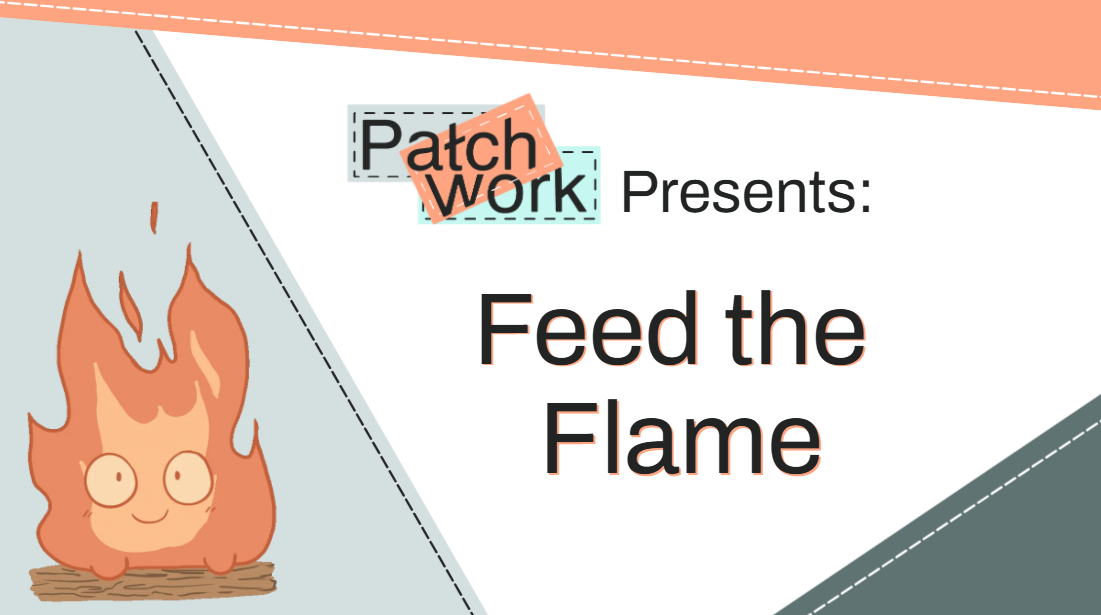
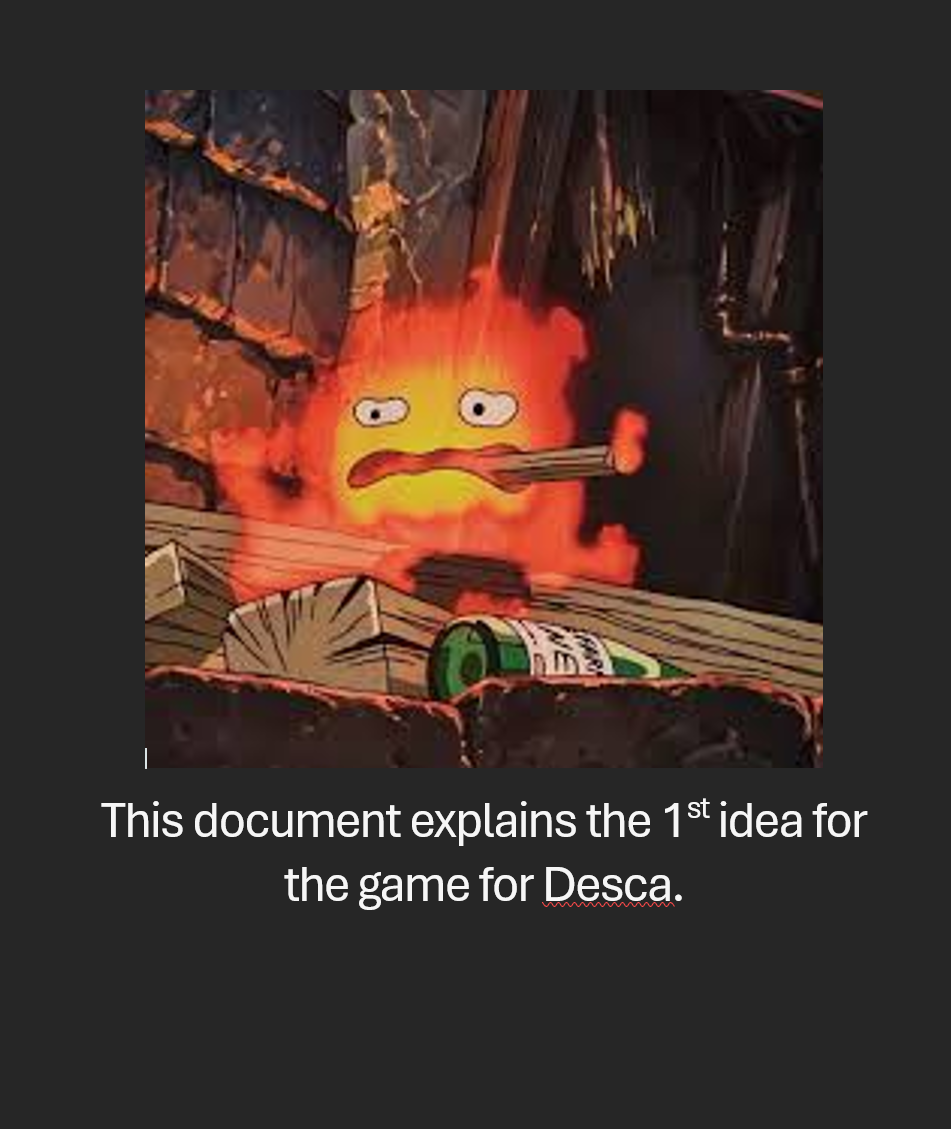
This is my Calcifer Tamagotchi concept for Desc's stream. The idea wasn't random it came from Desca's community and their inside joke, so it already had a real target audience. That's why it fits LO1: it shows a concept designed for an actual community and interaction, not just something I made up for school.

Here is the document: calcifer
Proof 9

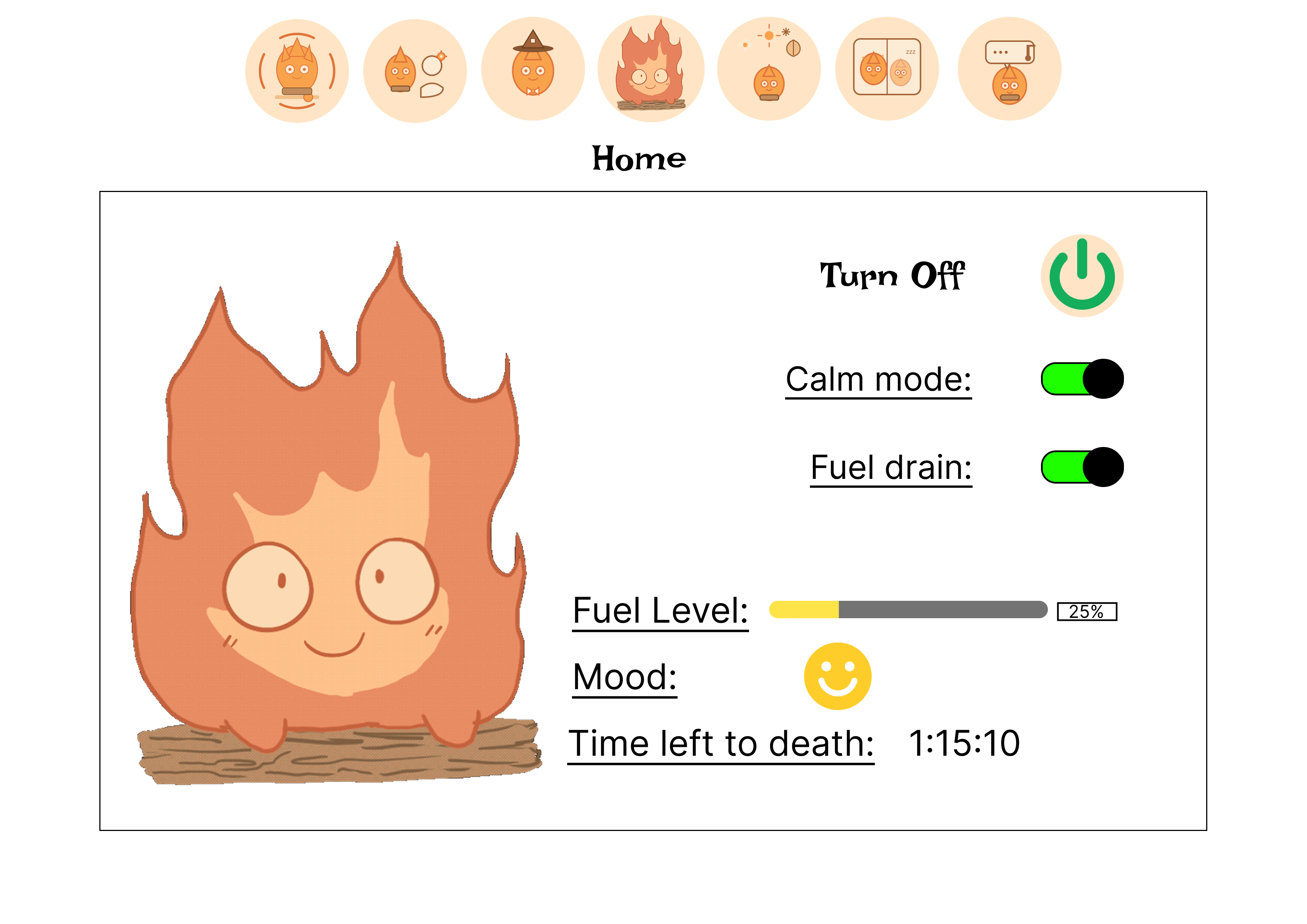
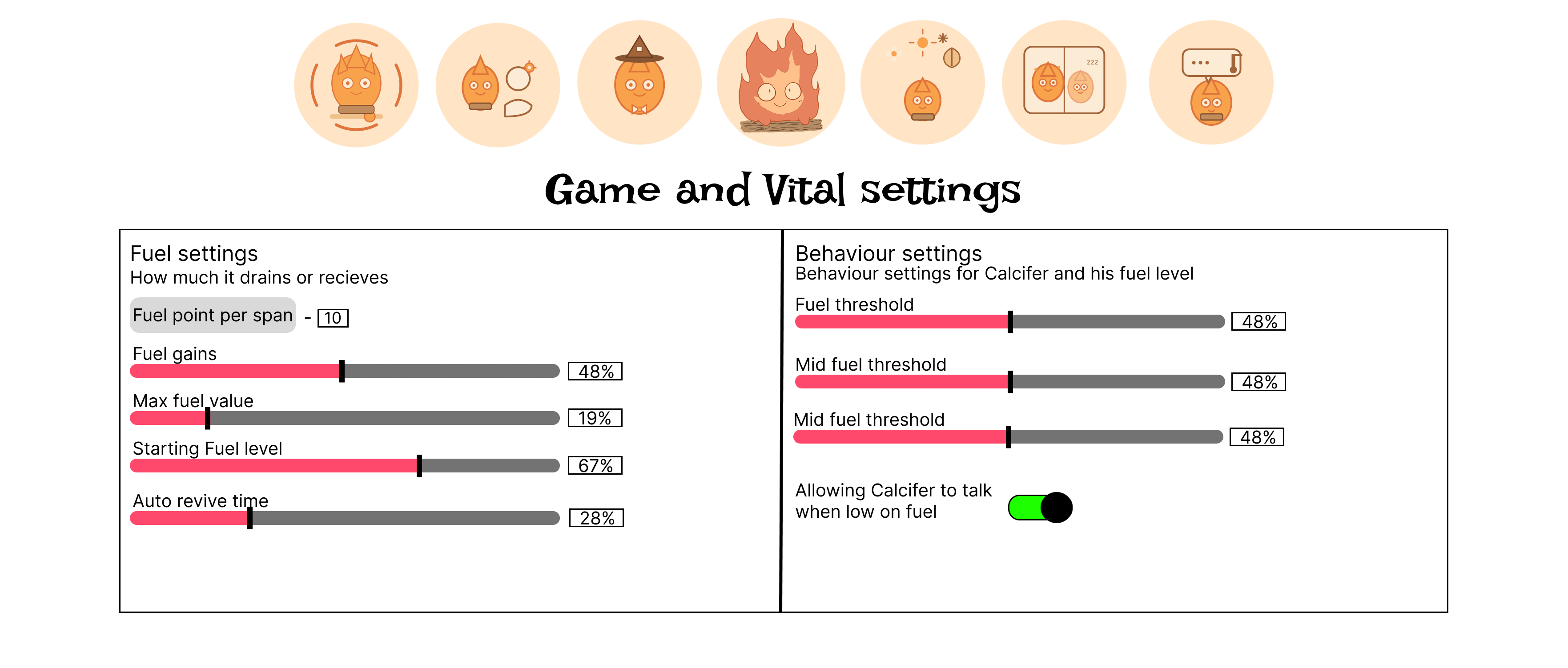
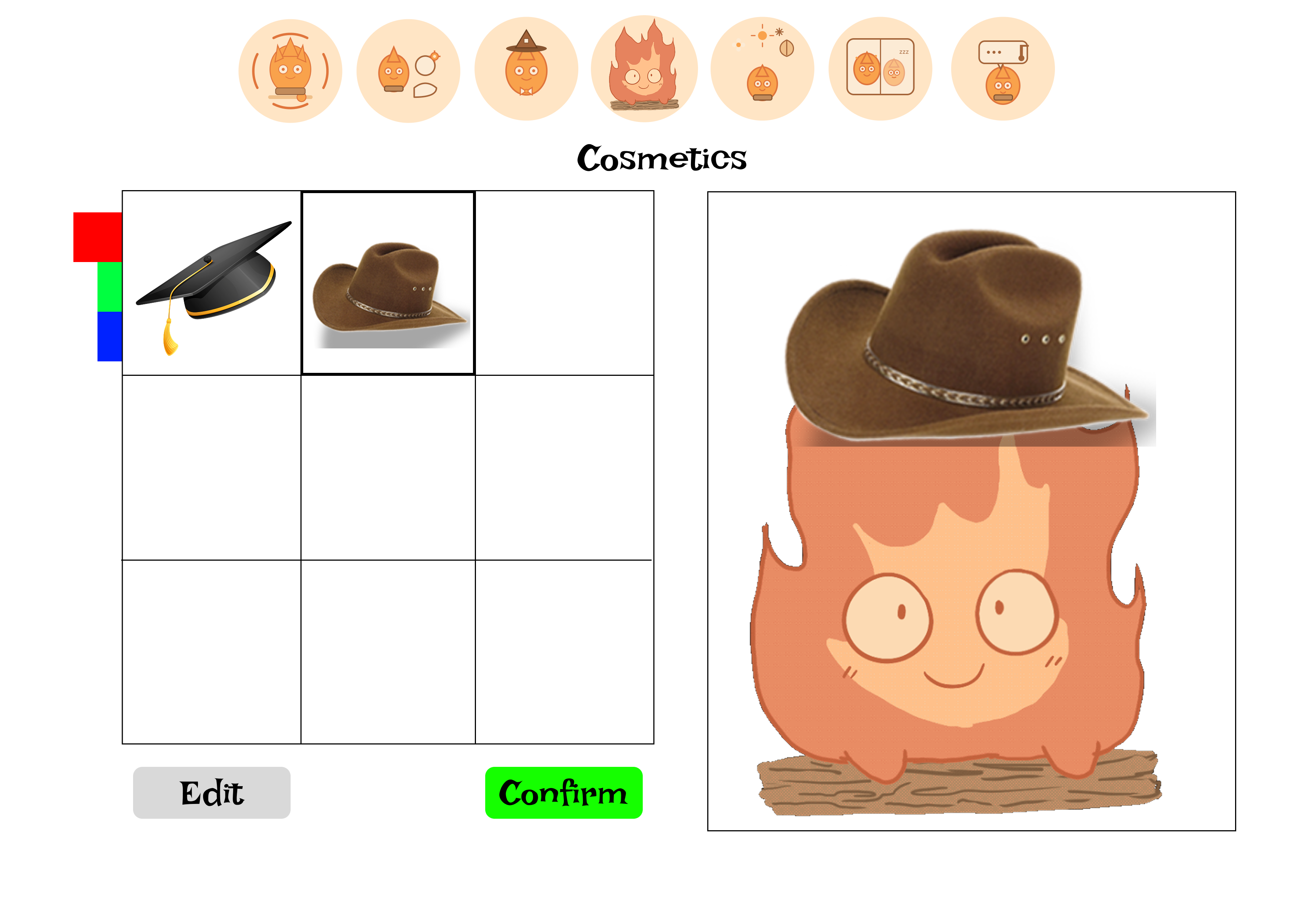
These are my first GUI pages for Desca. This version was my starting point to test the layout and what kind of controls she would need. It fits LO1 because I designed it around a real scenario: a streamer needs quick, clear controls while doing other things at the same time.

Link to figma: Old GUI page in Figma
Proof 10

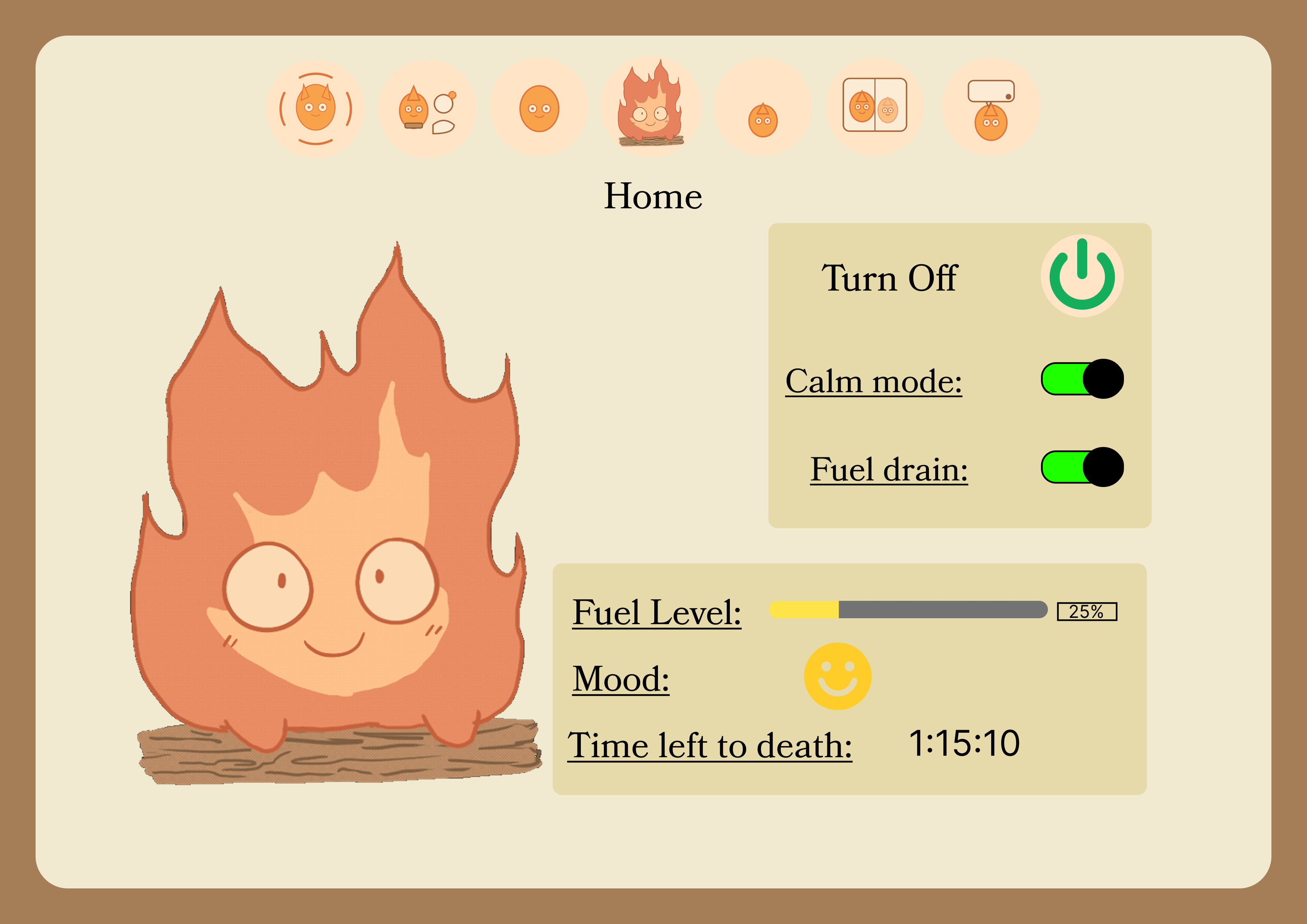
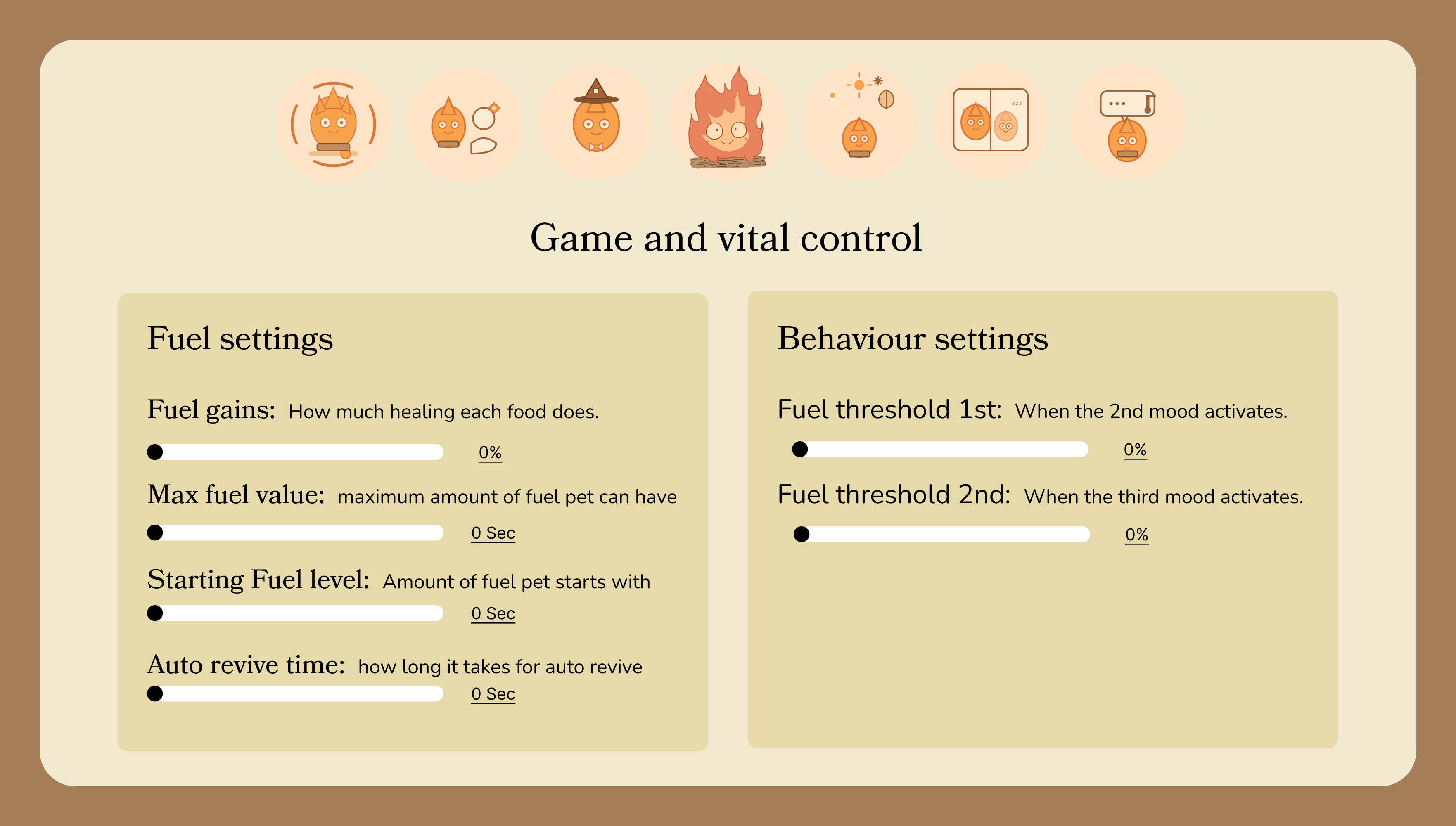
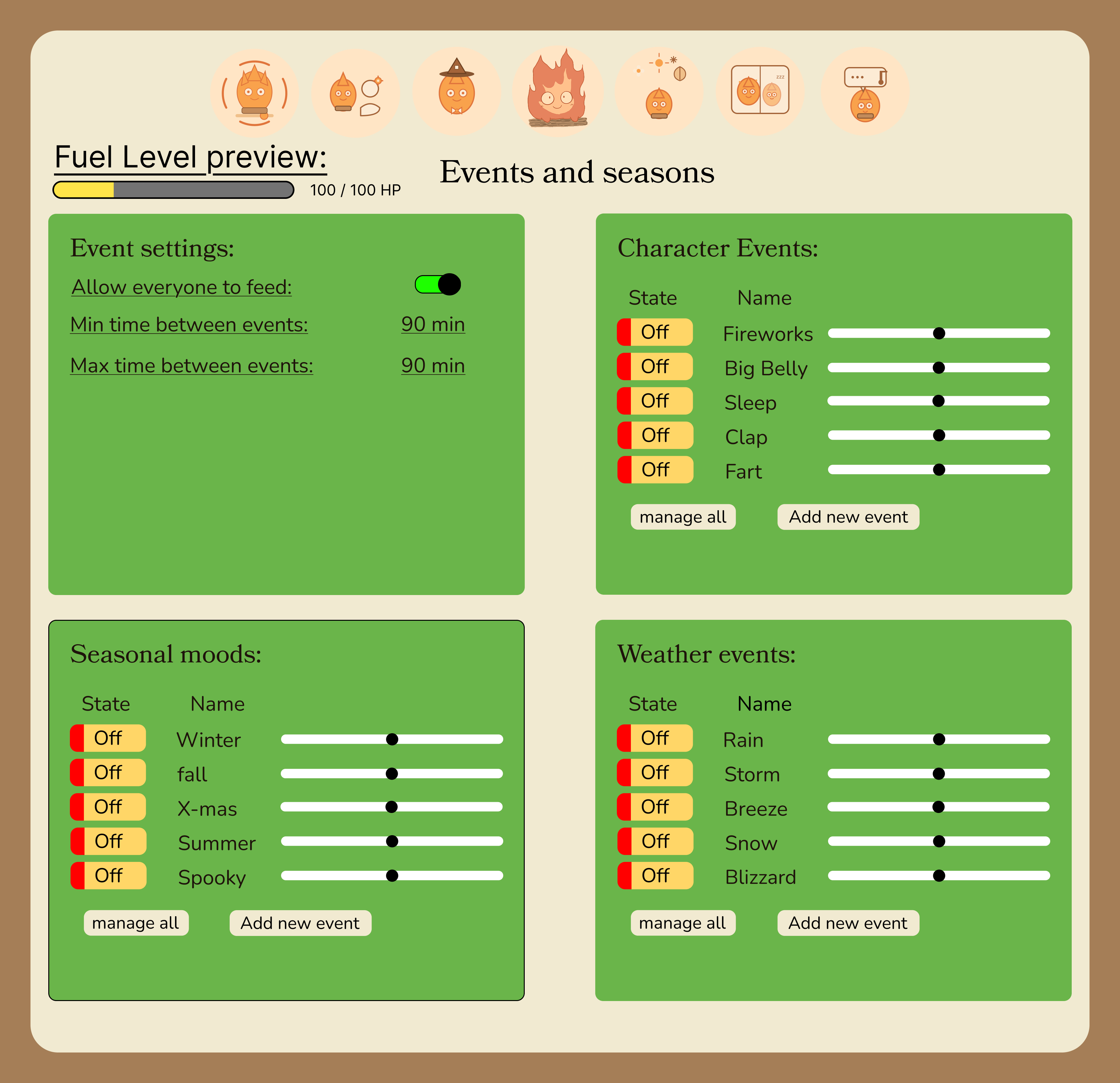
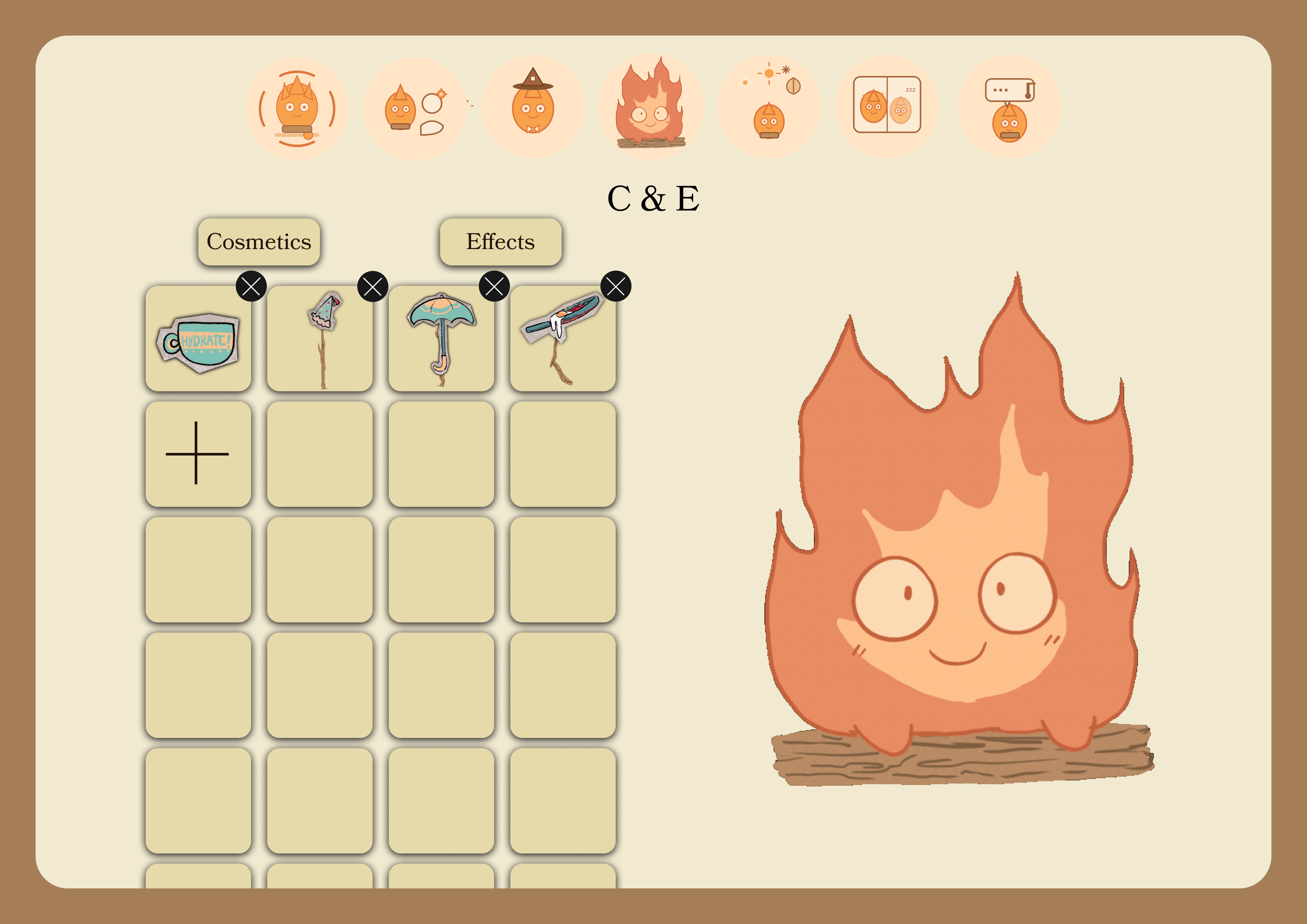
This is the updated GUI version after feedback and more time polishing. I improved the structure, colors, and clarity, and I also made elements feel more “real” with working buttons/sliders in Figma. This connects to LO1 because it's a more user-focused and professional design aimed at making Desca's job easier.

This link leads to my pages in the GUI: Figma GUI

This link leads the working GUI: Figma GUI
Reflection

I believe in this semester I made a good amount of designs be it my portfolio to helping with patchwork, or the biggest in Desca project, I feel pretty happy with what I was able to make.
Learning Outcome 2

You create professional documentation and use version control for your products in a personal and team context. You communicate design decisions and recommendations to relevant stakeholders.

Proof 1

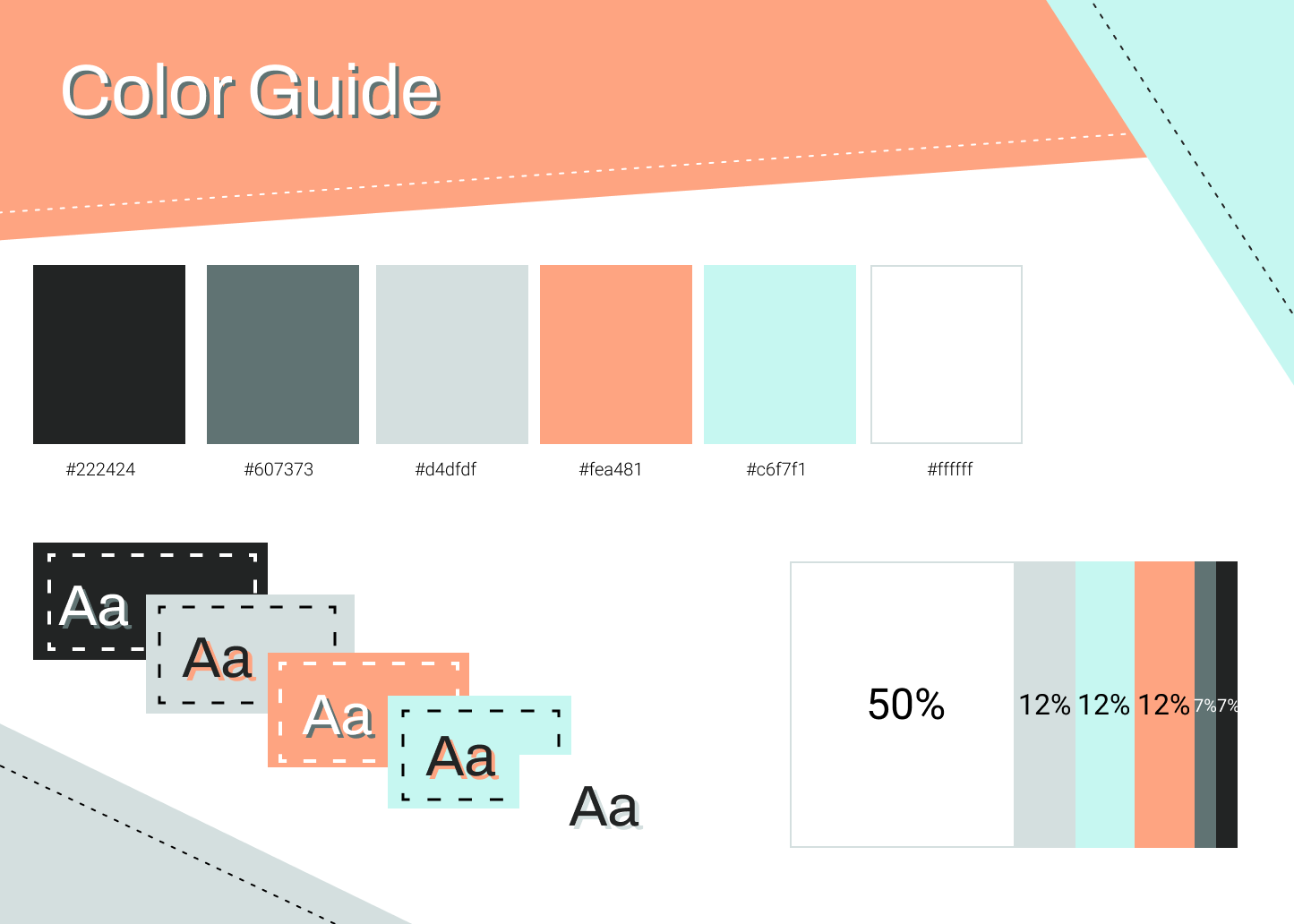
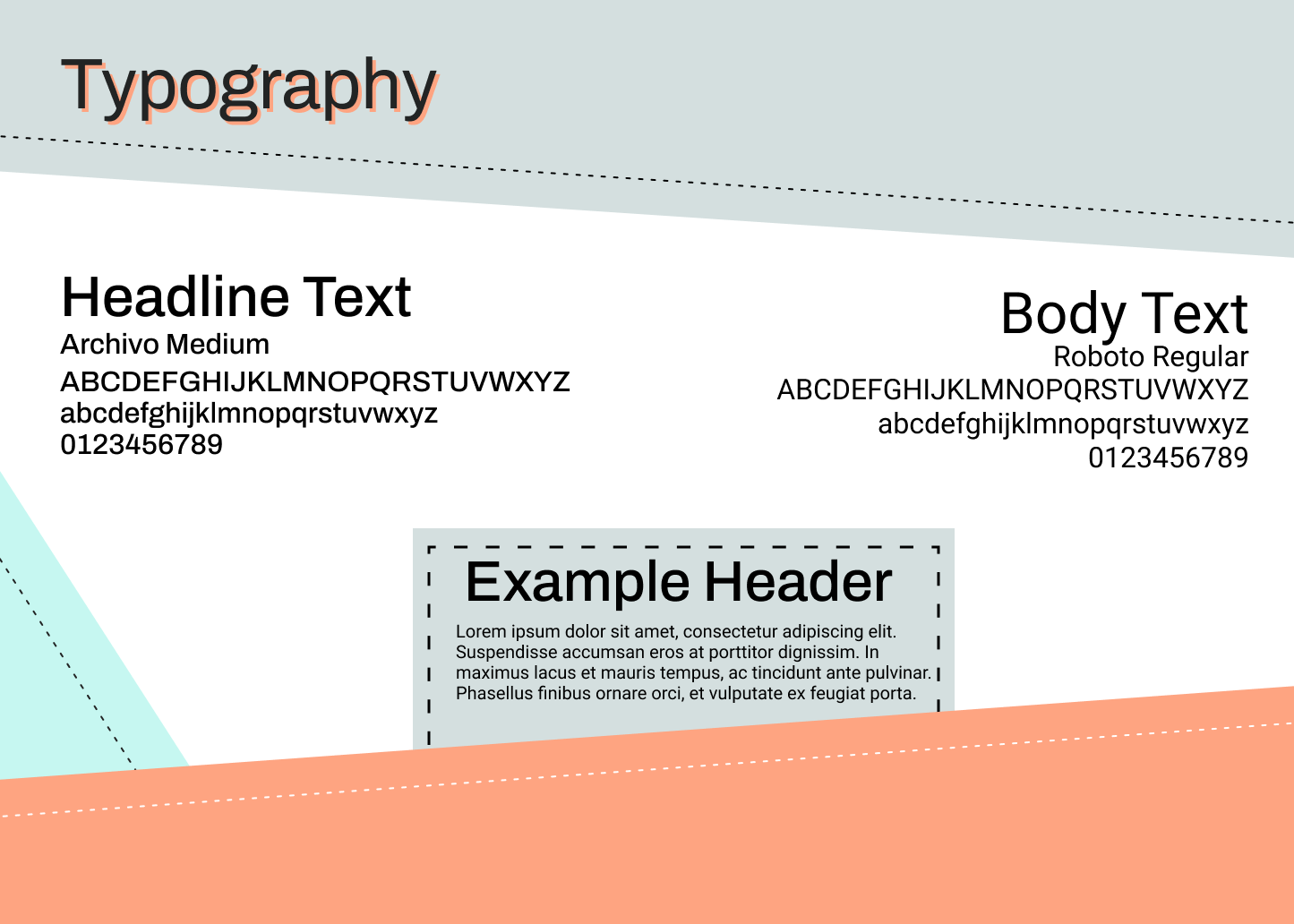
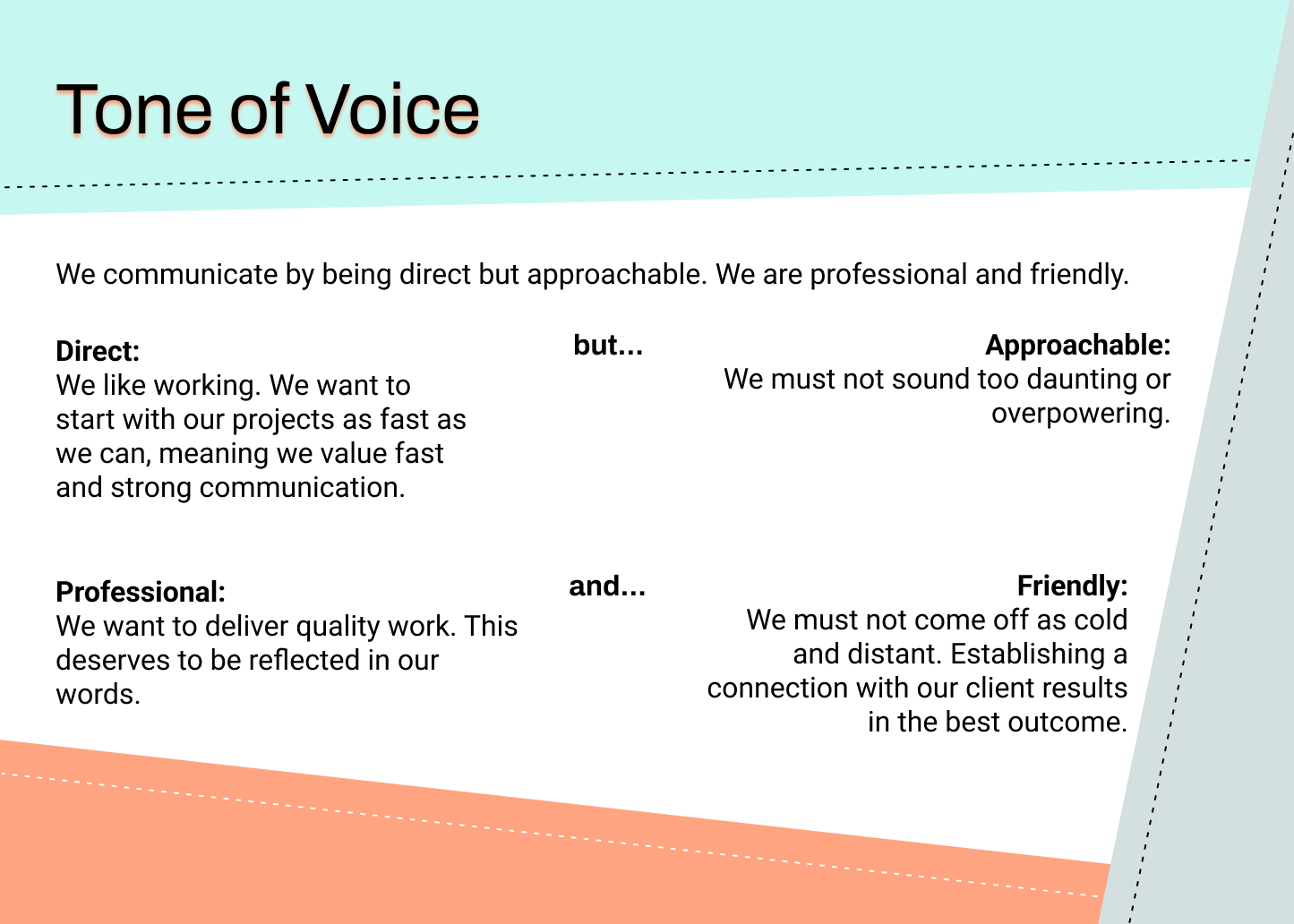
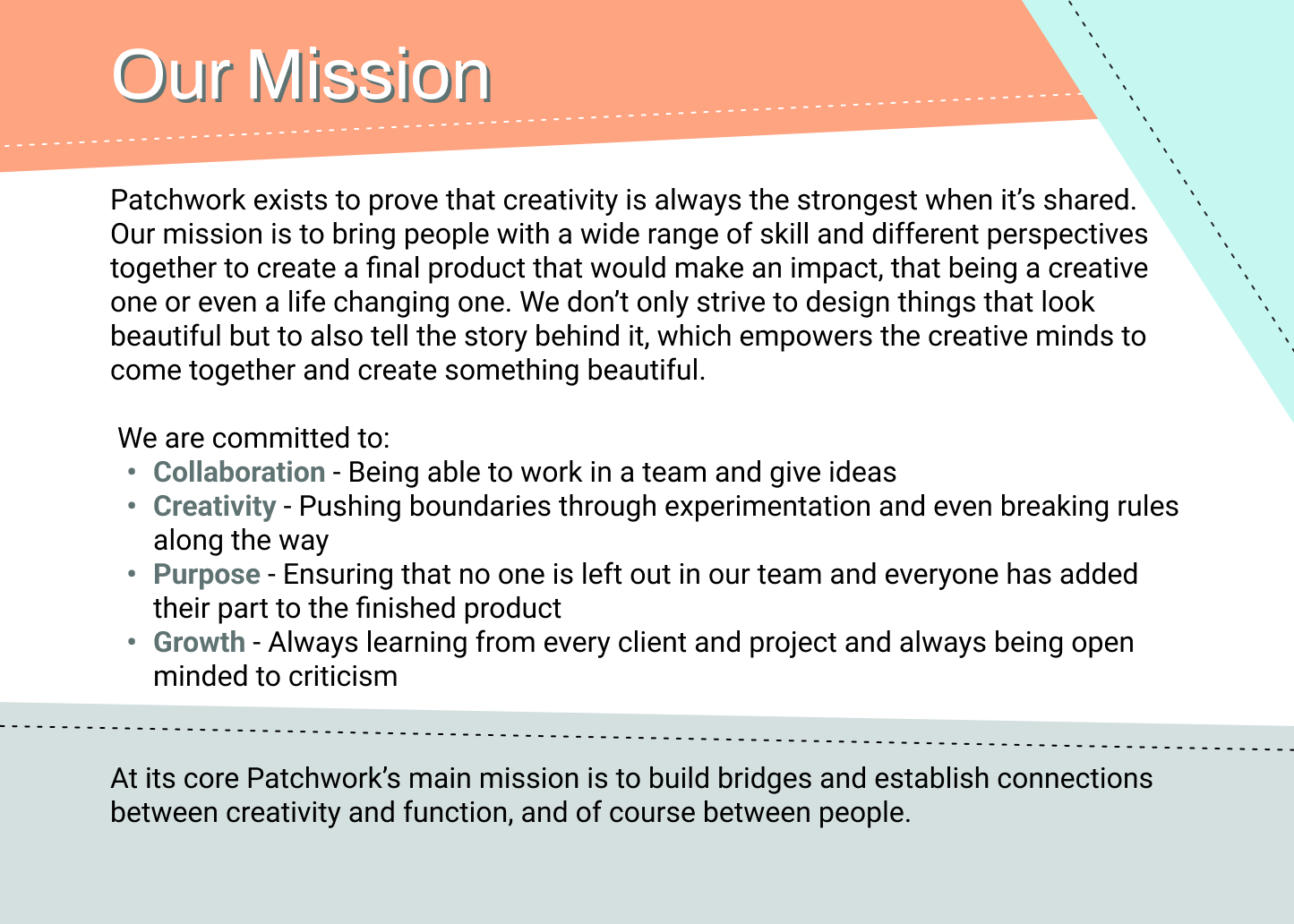
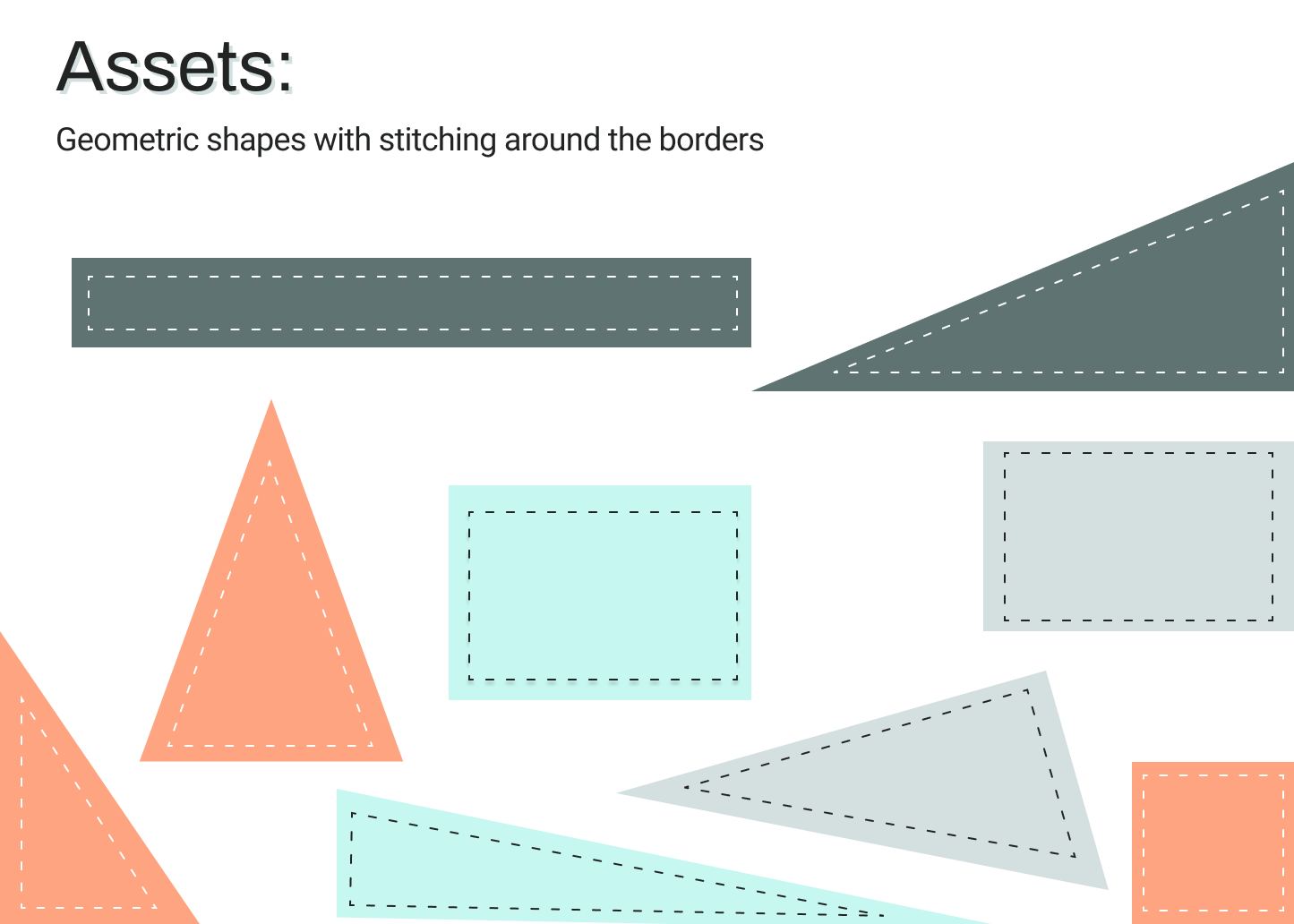
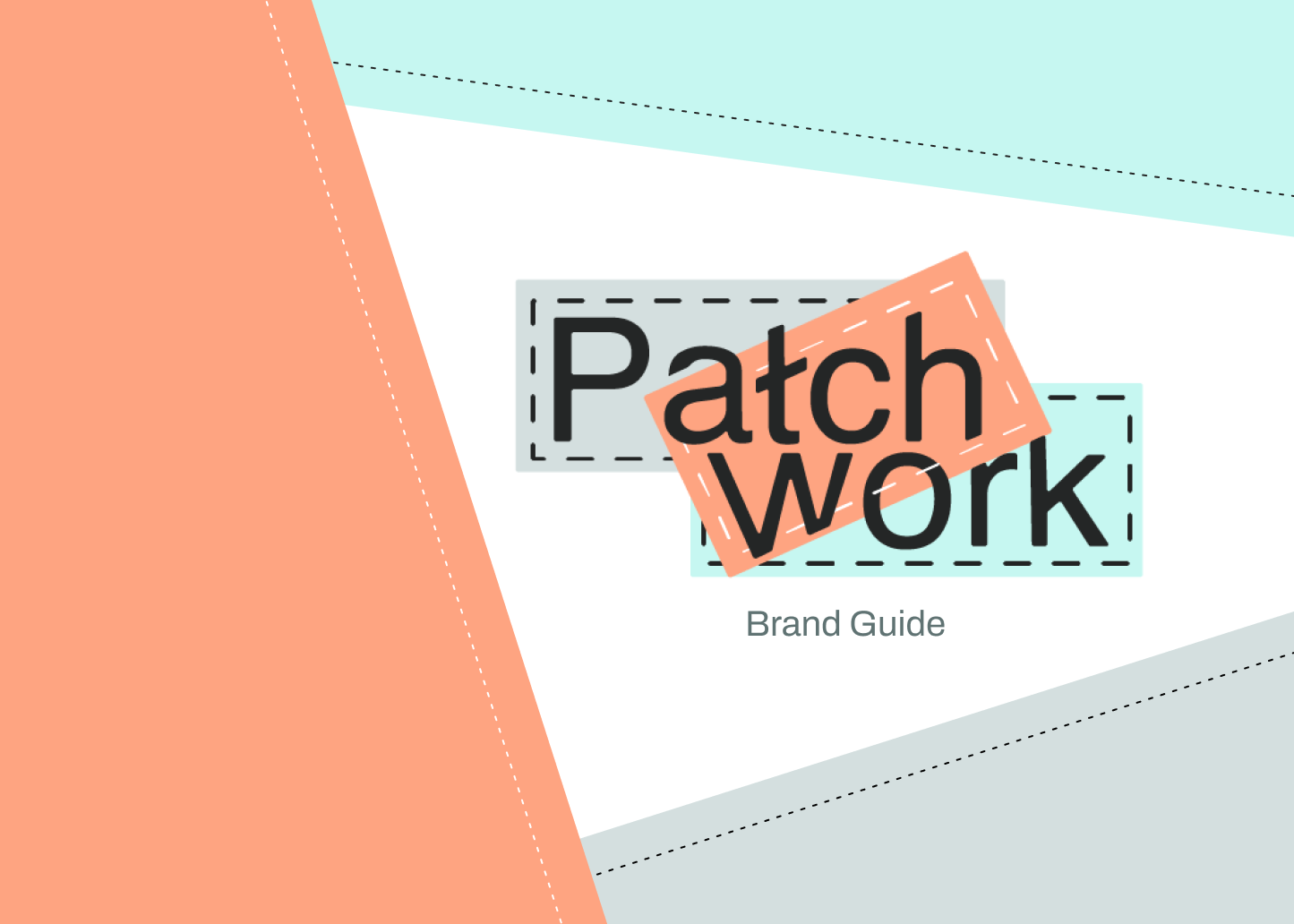
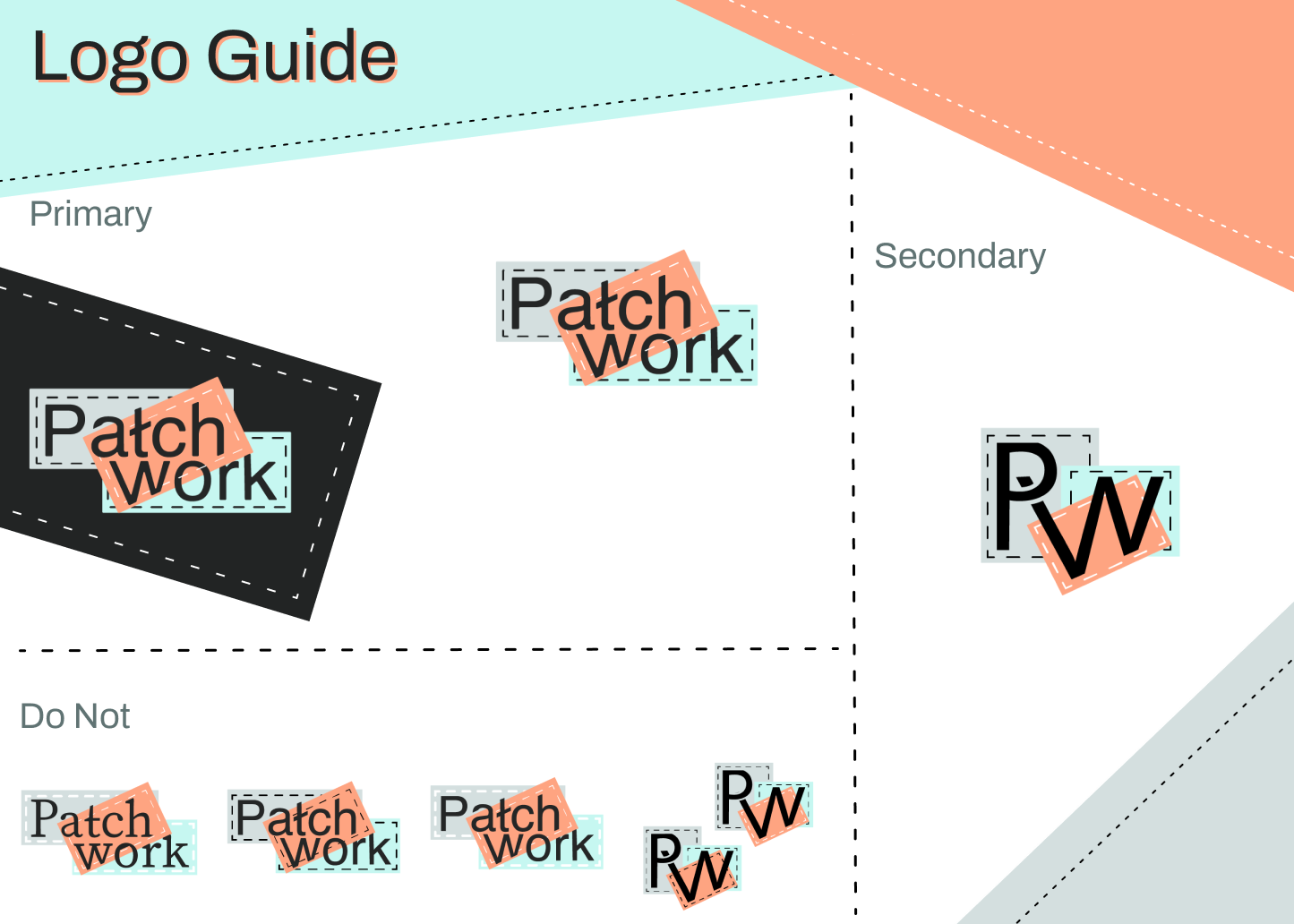
This is the Patchwork brand guide, and its basically how we made our branding “transferable” instead of only living in our heads. It fits LO2 because it documents the logo, colors, typography, and tone of voice so anyone in the team can keep things consistent. I also helped with setting up our Canva work and animations for presentations, so what we showed matched the same style.
link to the brand guide: Patchwork brand guide

Proof 2

This is my Calcifer game document. It fits LO2 because it explains the full concept in a way other people can use not just “the idea”, but the rules, mechanics, and how it should work. That way a teammate (or client) can understand it without me needing to sit next to them.
Here is the document: calcifer

Proof 3

Here you can see Version 1 and Version 2 of the same deliverable (there are 3 versions total, these are the first two). This fits LO2 under version control because I tracked improvements across versions and updated the document using client feedback instead of rewriting from scratch and losing the history.

This links will show you V1 and 2 of document: Version 1
Version 2

Proof 4

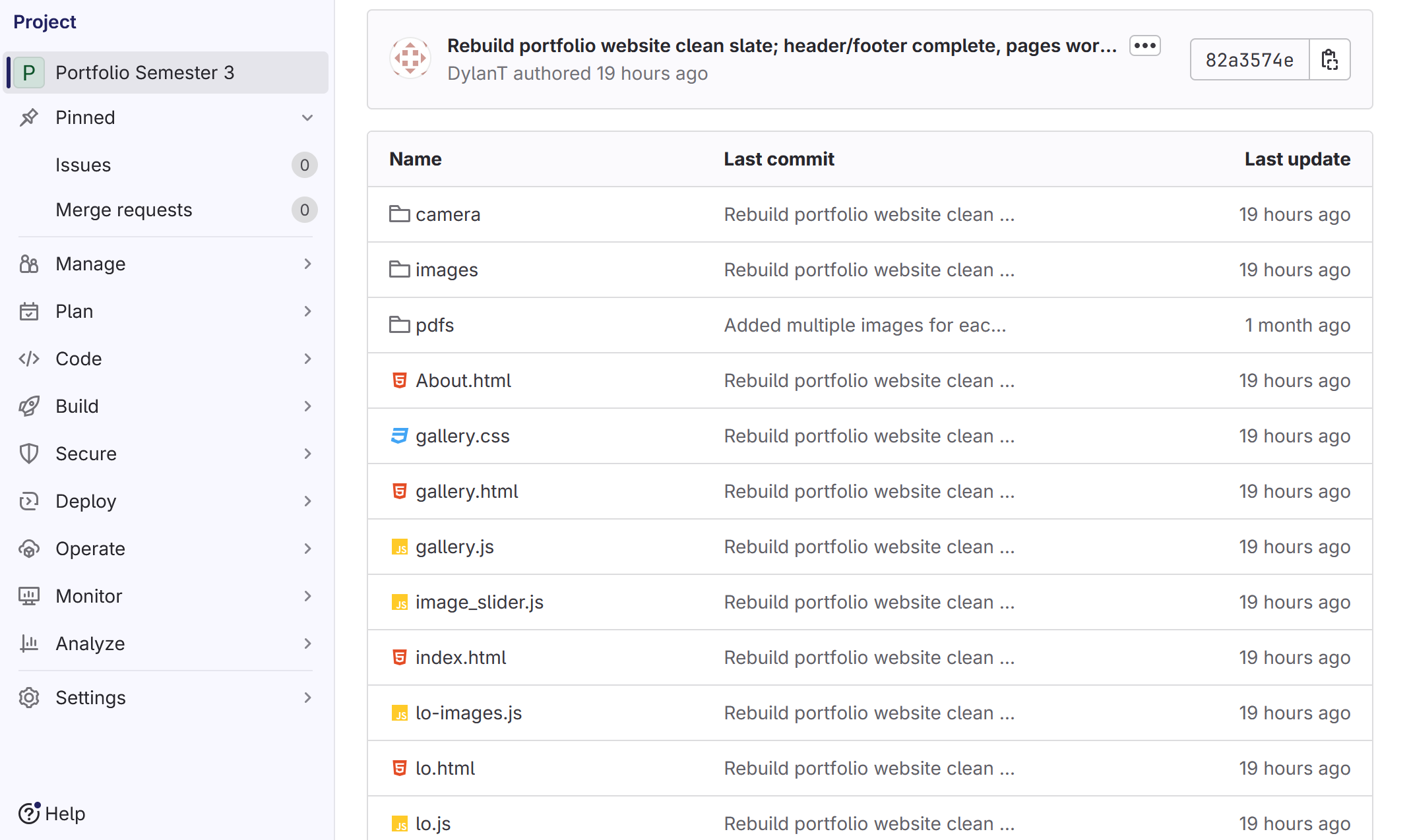
This is my GitHub repository for the portfolio website. It fits LO2 because it shows I stored my work in a way that's trackable and reproducible. If something breaks, or I need to return to an older version, Git makes that possible.

Link to the Git: Portfolio Git

Proof 5

This shows Figma's version history. It fits LO2 because it's version control on the design side: I can check earlier versions, compare changes, and understand how the design evolved without losing anything.

Proof 6

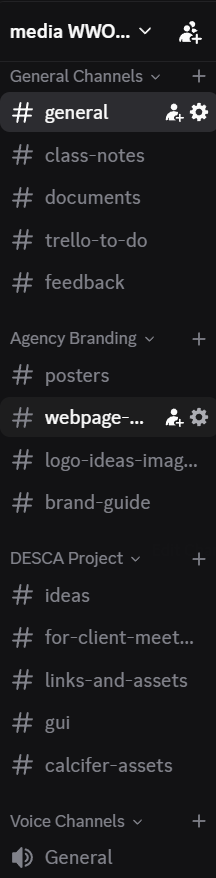
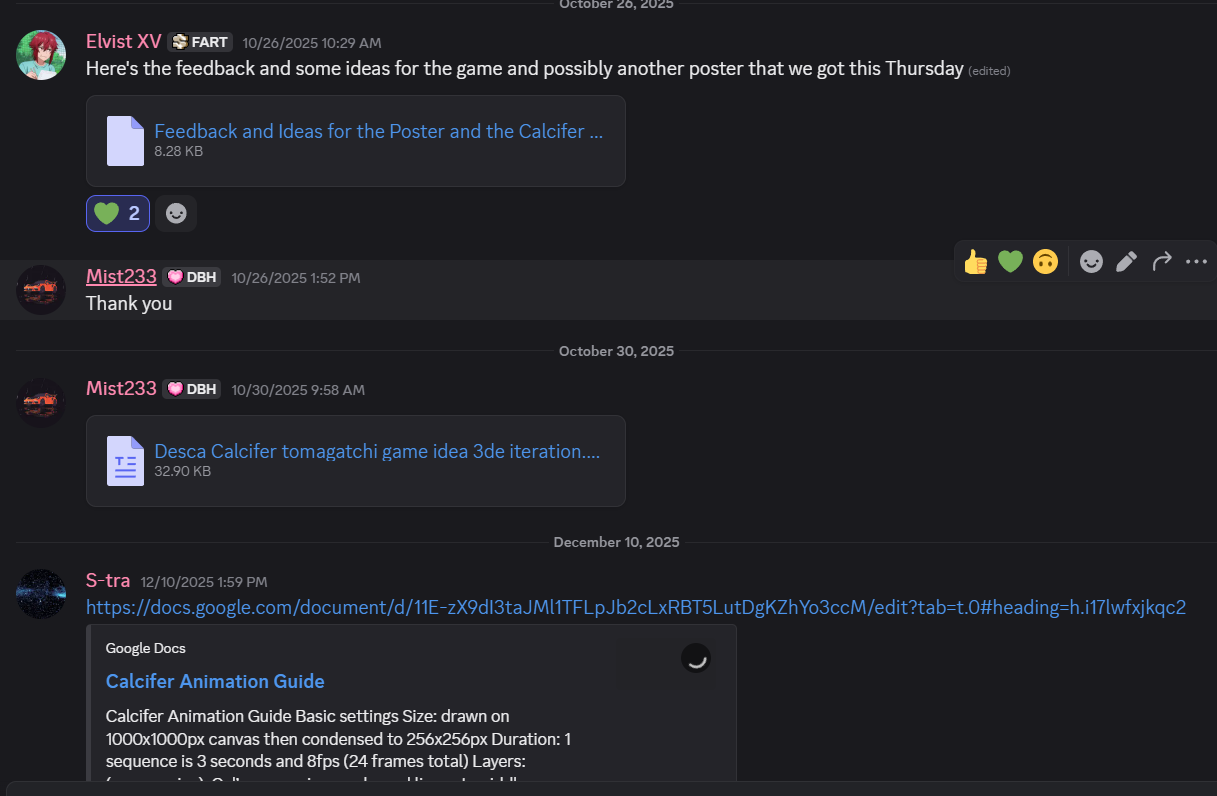
This shows our Discord setup for sharing files and keeping everything in one place. It fits LO2 because it supported teamwork: files were easy to find, updates didn’t get lost, and we could share documents quickly without everyone hunting through different folders.

Reflection

Reflection text for LO2.

Learning Outcome 3

You present the successive iterations of your creative process, and the connections between them, of your methodically substantiated, iterative design and development process.

Proof 1

This shows my palette iteration process. I didn't just pick colors once I compared different options, tested contrast, and adjusted until the palette matched the vibe while still being readable. That's why it fits LO3: it's an actual design iteration, not a one-shot decision.

This link goes to figma where it is located: Figma

Proof 2

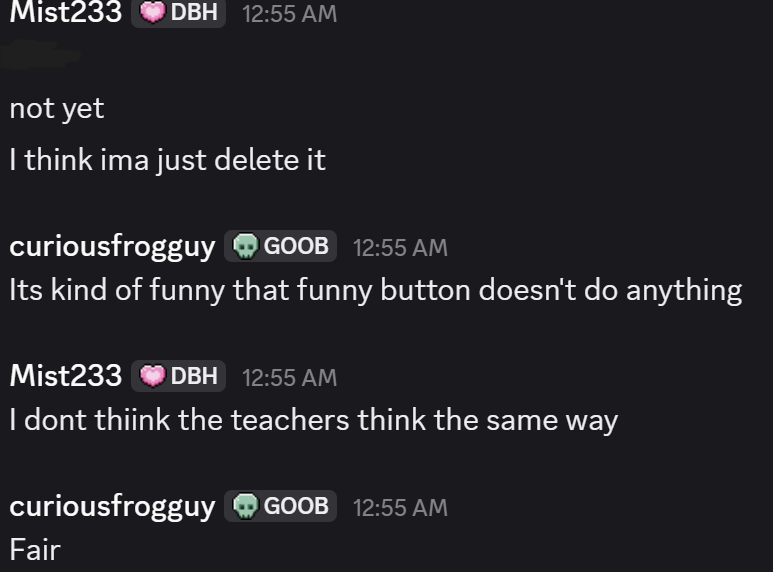
Here is a clear before/after of removing the funny button. At first I planned something for it, but feedback pointed out that a “funny button that doesn't do anything” is only funny once after that it just feels unfinished. Cutting it improved the UX and made the site feel more complete.

Proof 3

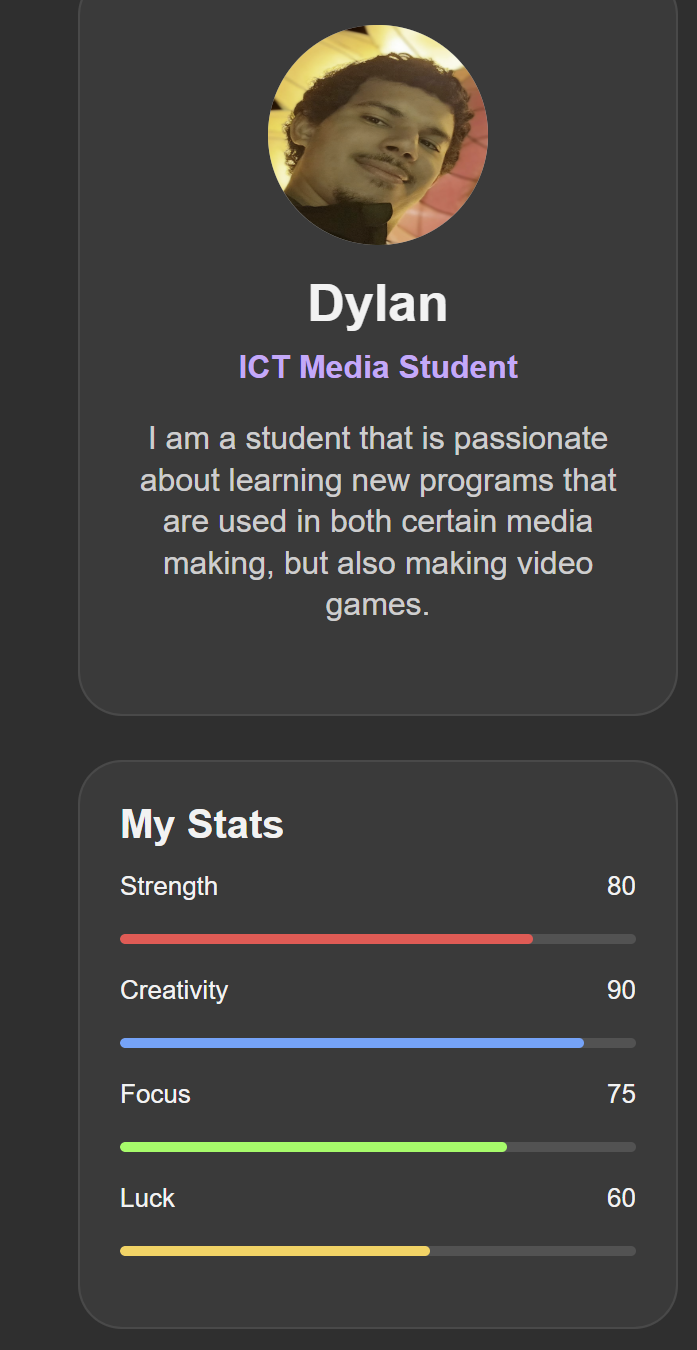
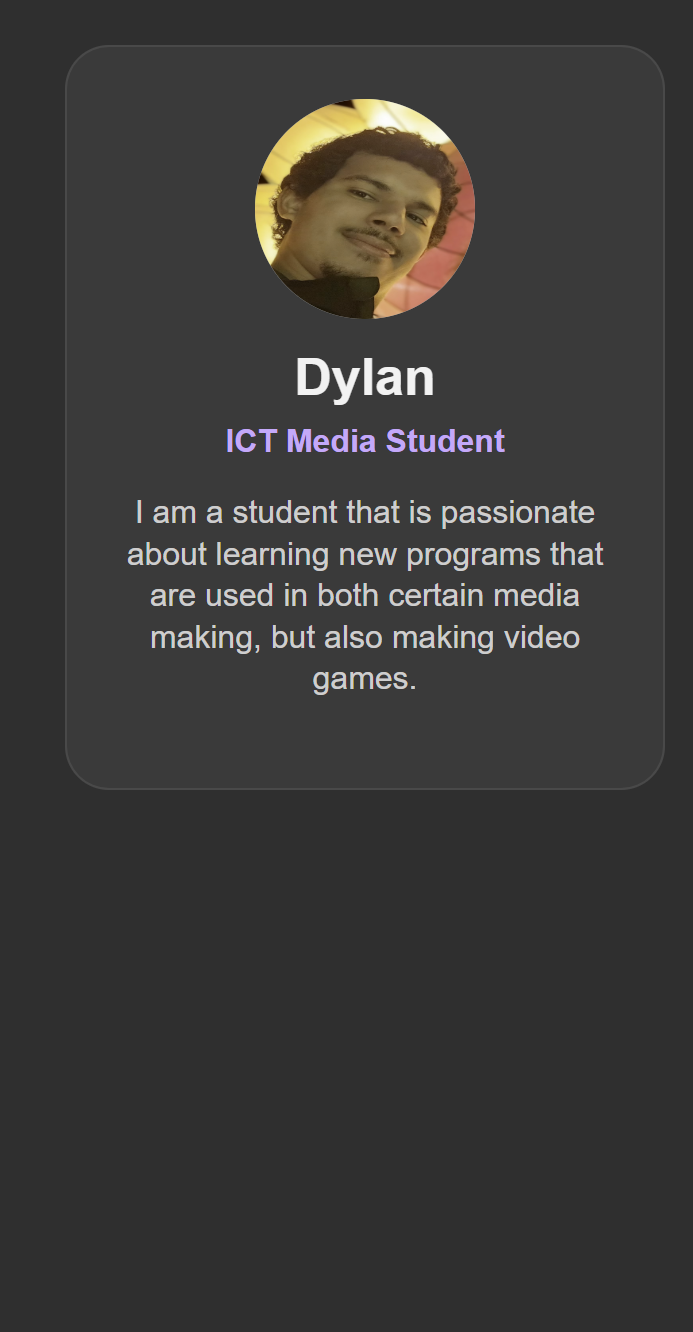
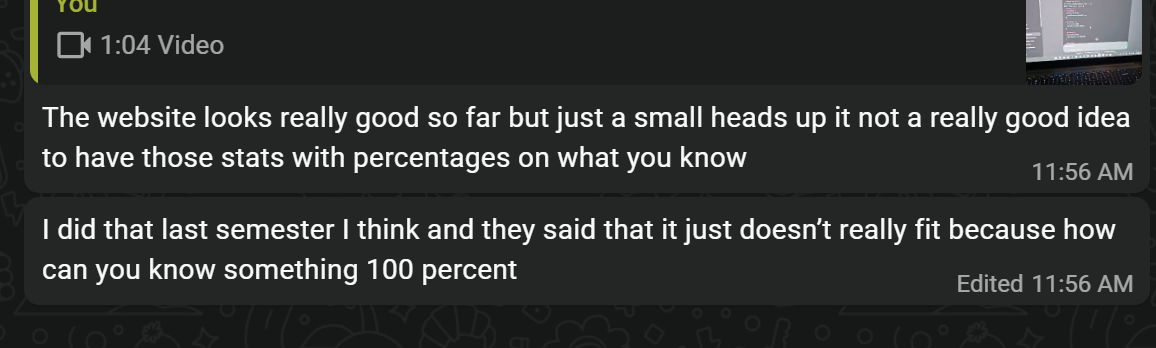
This is the iteration where I removed the statistics bar. Someone pointed out that the stats could be misleading because I can't 100% prove them. So instead of risking questionable info on my portfolio, I removed it and kept the homepage more honest and clean.

Proof 4

This shows how my Calcifer document changed across versions. The concept got shaped by real feedback from Desca, and you can see the connection between each iteration and what was improved. That's exactly what LO3 is about: changes with a reason, not random edits.

here all the iteration will be linked:
Iteration 1
Iteration 2
Iteration 3

Proof 5

This is my GUI redesign after vacation. You can see the “before to after” clearly: layouts got cleaner, components got more consistent, and the whole thing feels closer to a real control panel instead of a rough mock-up.

You can check it out here: Figma

Proof 6

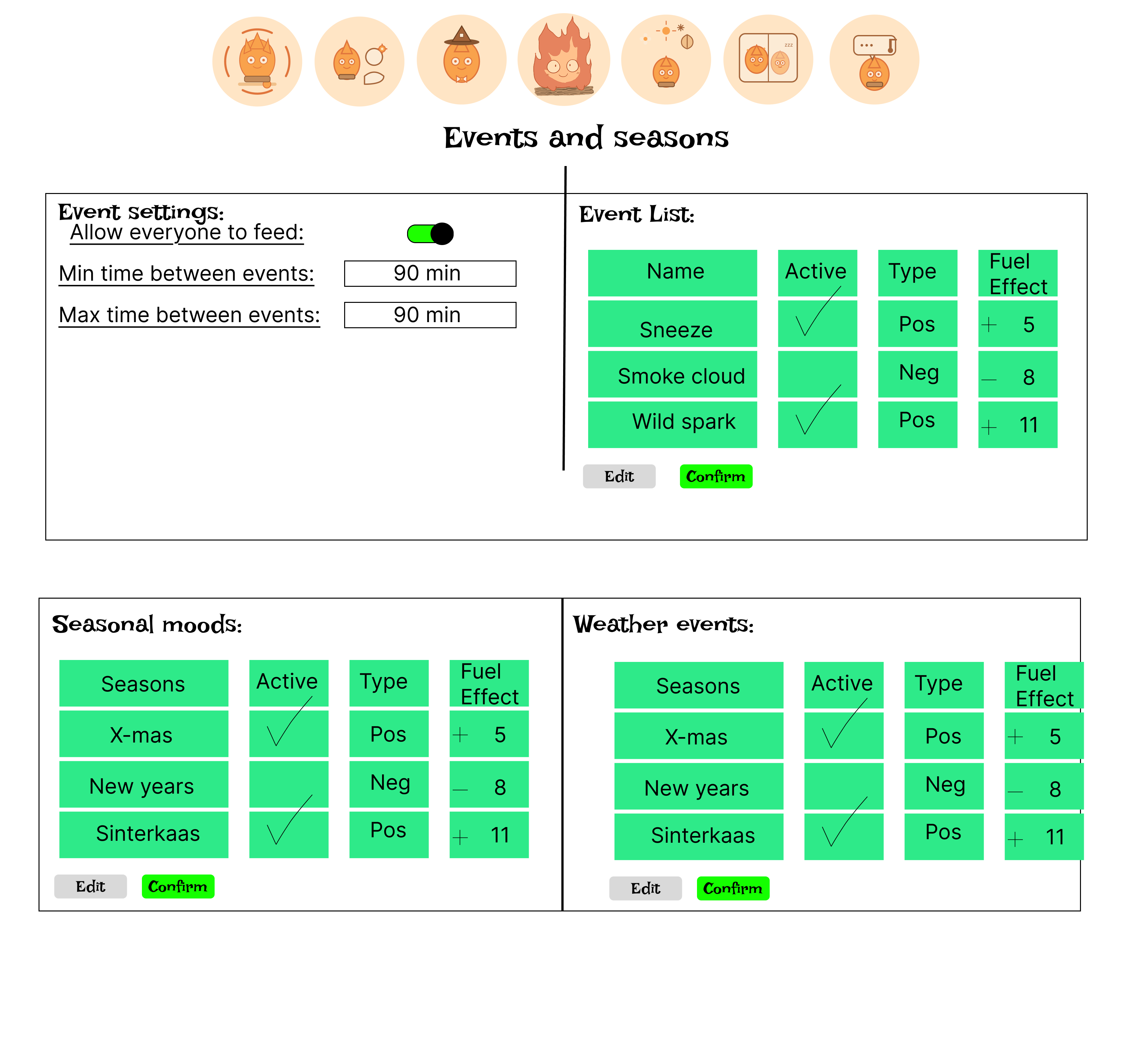
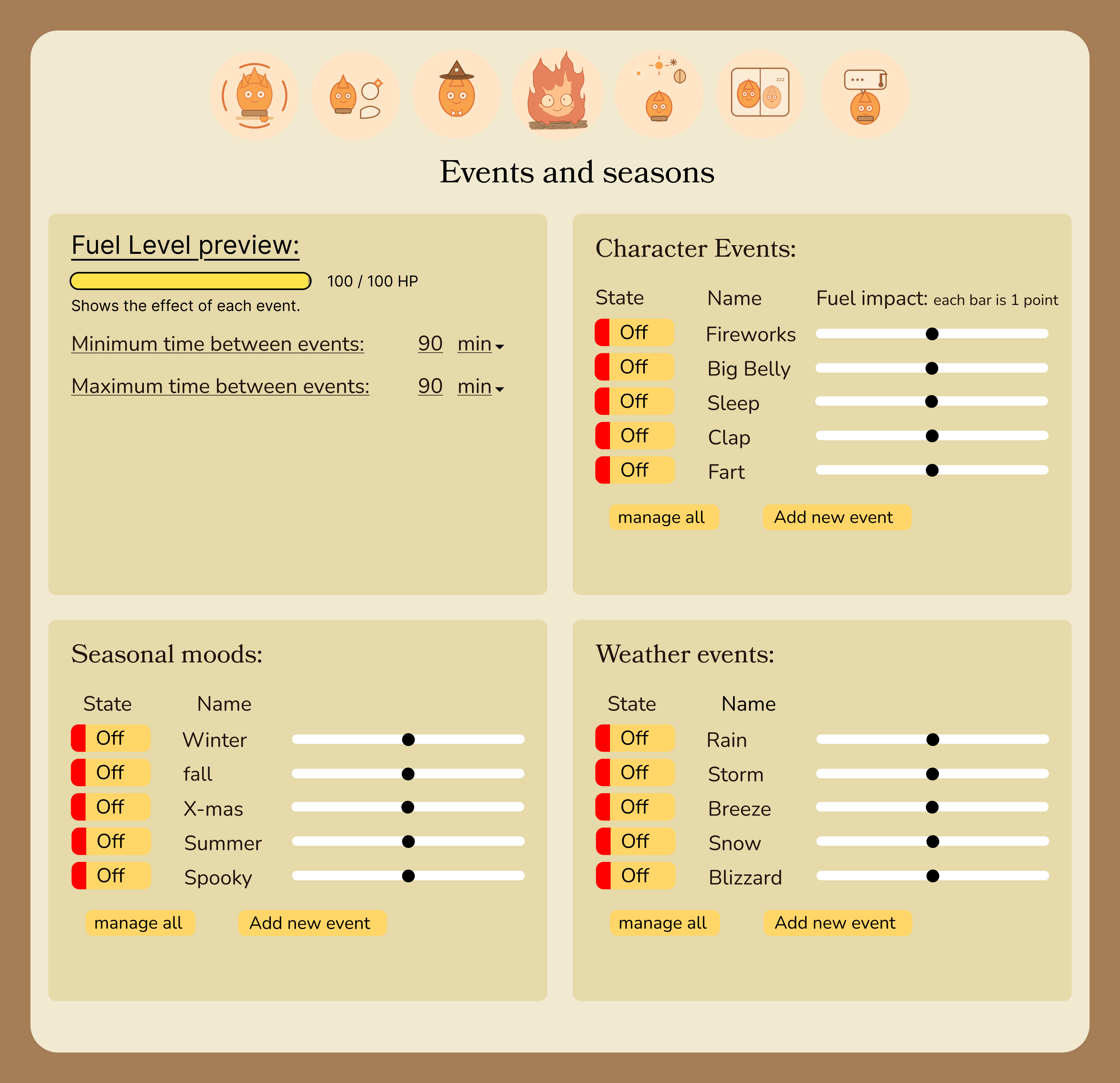
This shows how I made the Events page easier to understand. I got feedback that the page was confusing, so I adjusted it to be clearer (including the colors and the way settings are shown). I received feedback from Wouter, unfortunately I have no way of proving that part, but the before/after shows what changed and why the final version reads better.

Reflection

Reflection text for LO3.

Learning Outcome 4

Both individually and in teams, you apply a relevant methodological approach used in the professional field to formulate project goals, involve stakeholders, conduct applied research, provide advice, make decisions, and deliver reports. In doing so, you keep in view the relevant ethical, intercultural, and sustainable aspects.

Proof 1

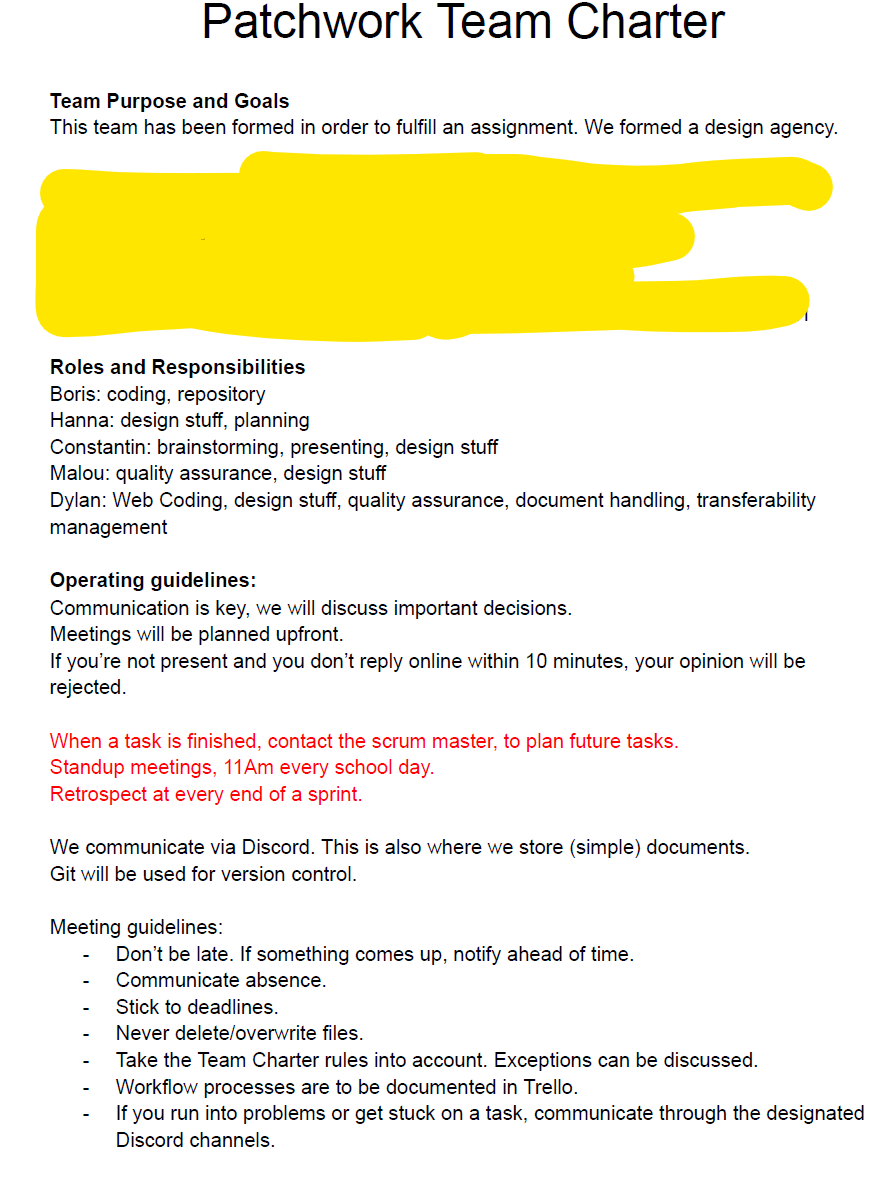
This is our team charter. It shows we didn't just “work together” casually we agreed on how we communicate, what we expect from each other, and how we handle responsibilities. That's why it fits LO4: it's a professional setup for how we work.

Teamcharterm pdf : pdf

Proof 2

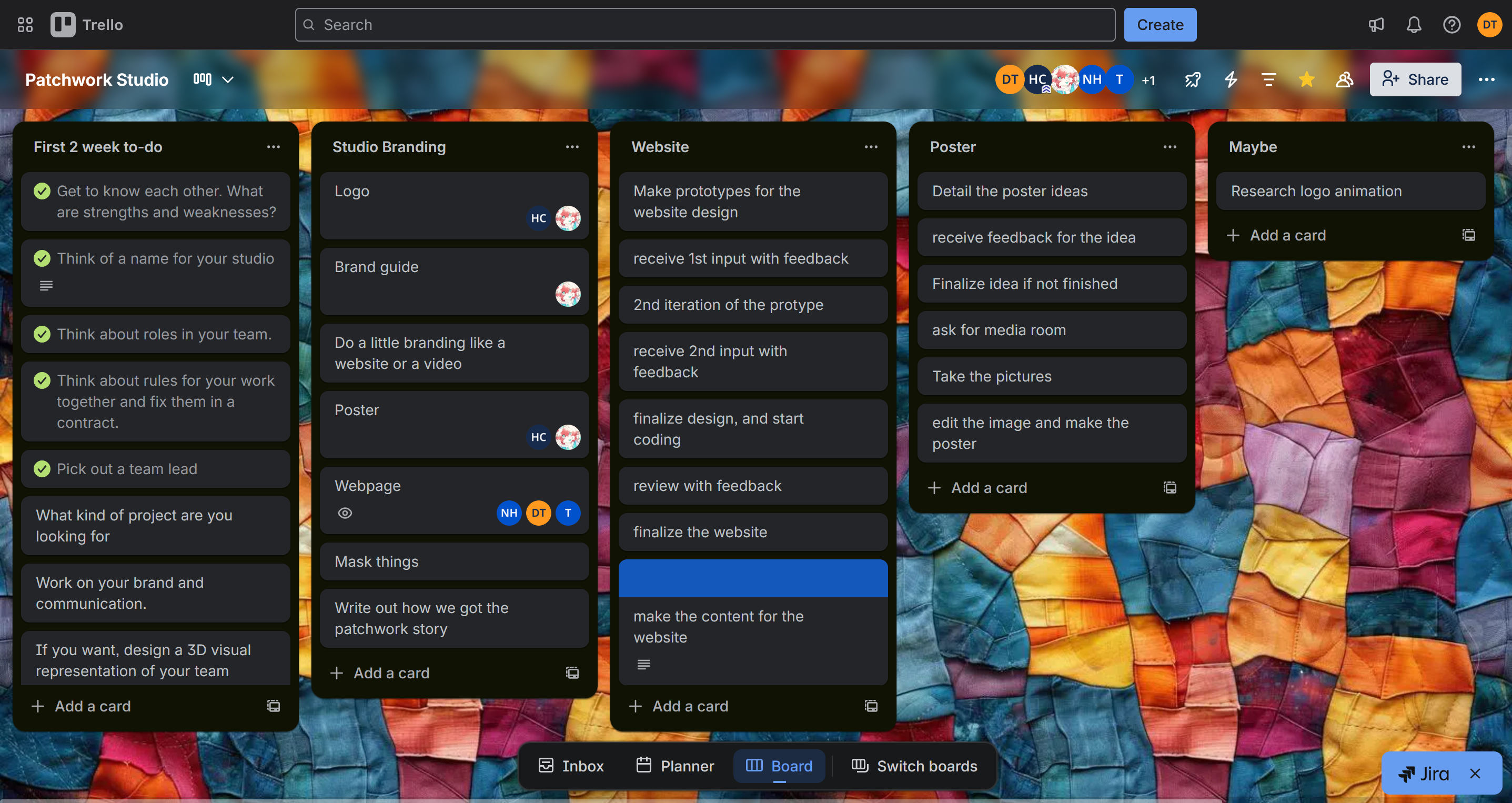
This shows our Trello planning. We used it to break work into tasks, assign responsibilities, and keep track of what was happening. It fits LO4 because it's part of a structured approach to managing a project as a team.

Proof 3

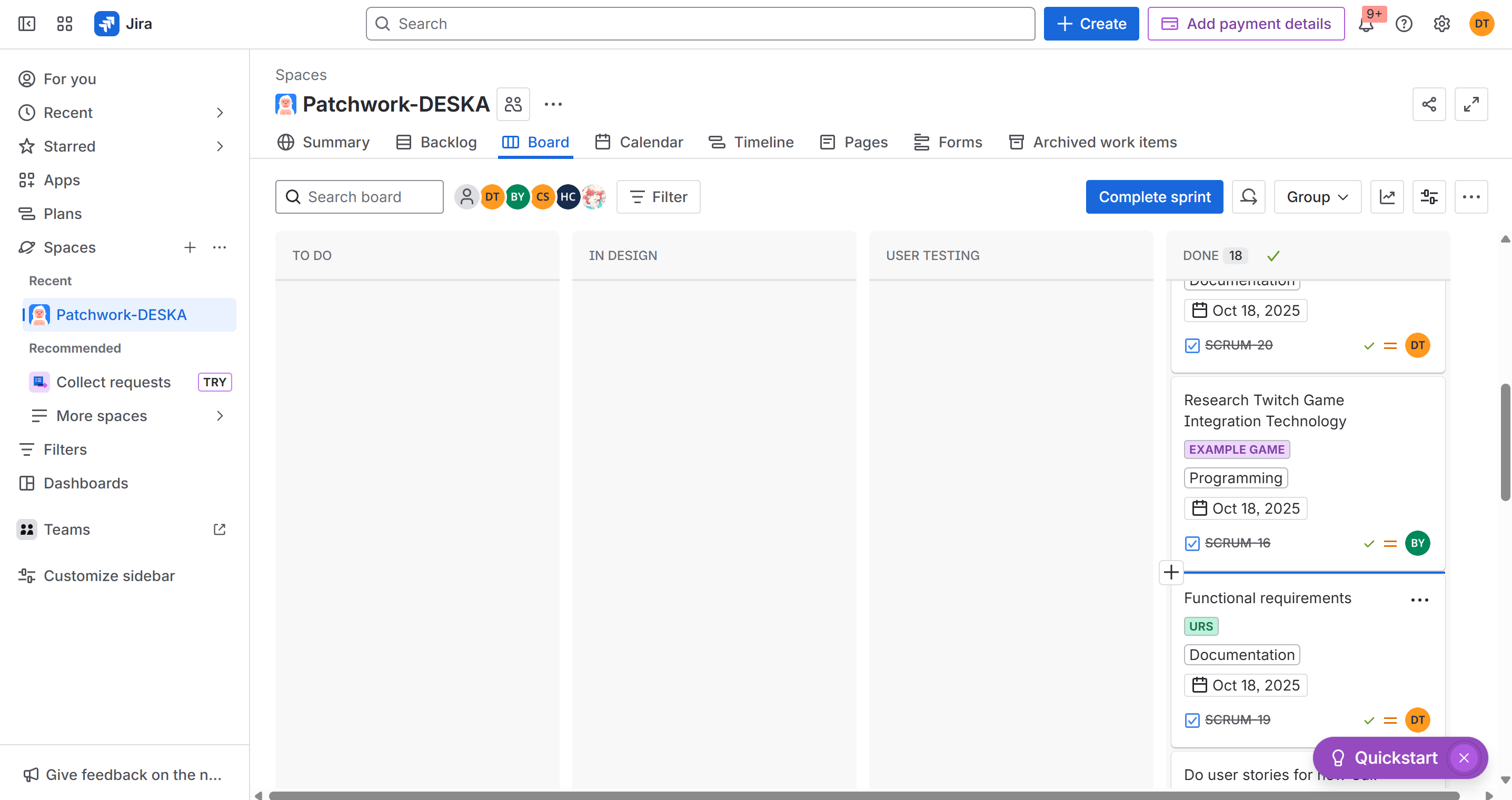
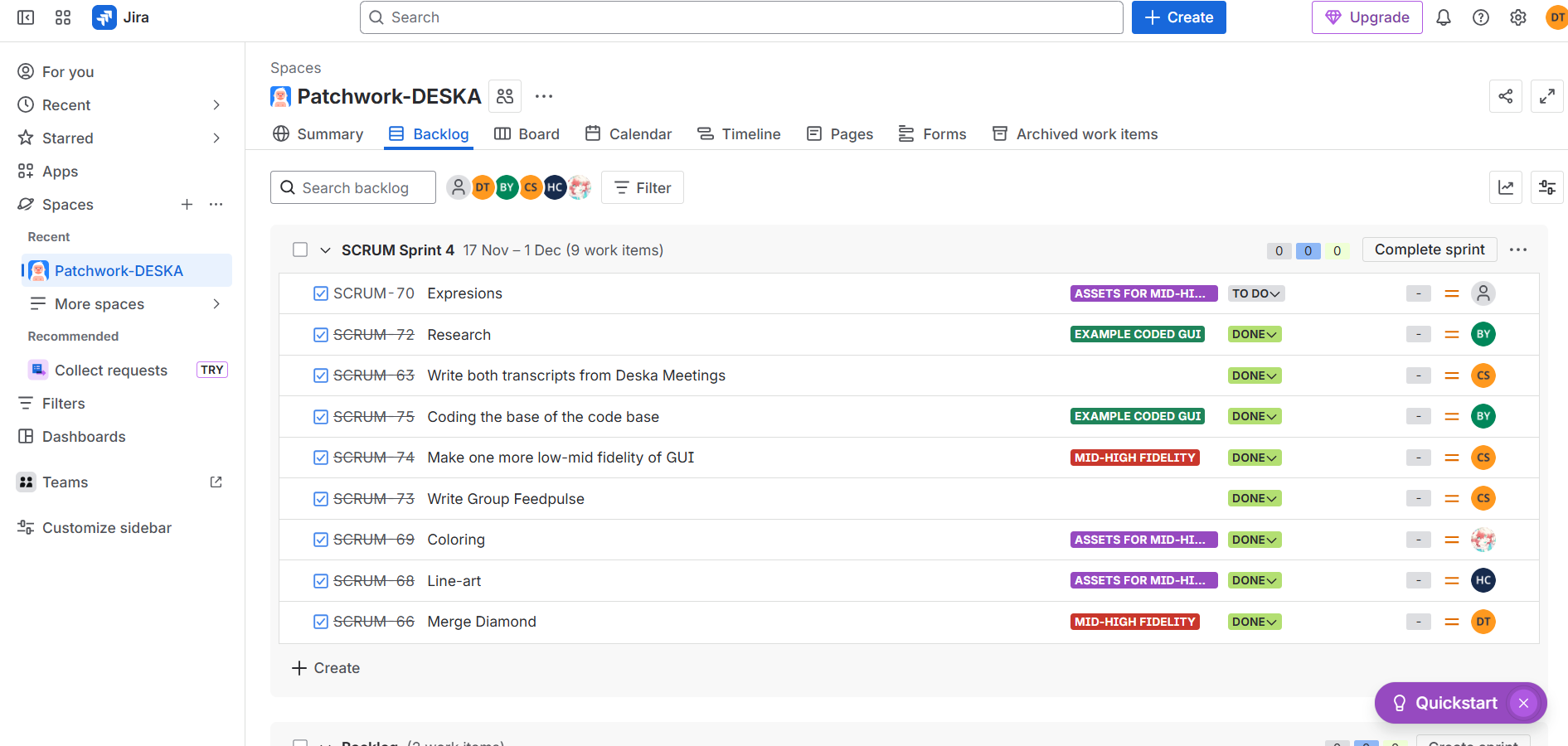
This shows our Jira board (Scrum). We switched to Jira when we needed a more detailed way to track progress and statuses. It fits LO4 because it shows a professional workflow for planning, doing, and reviewing work in a team setting.

Proof 4

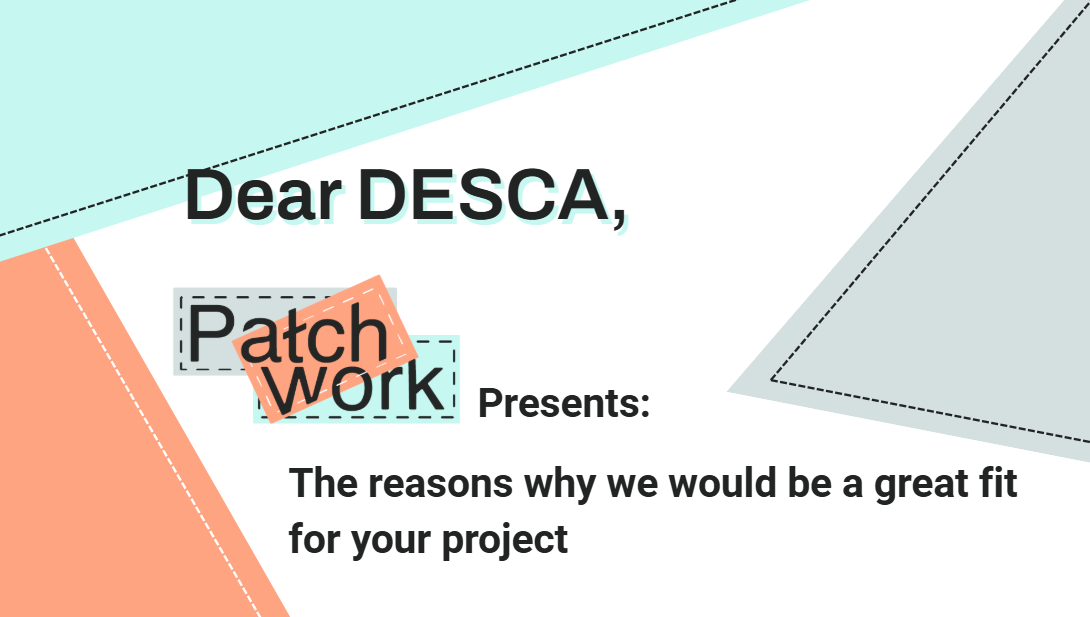
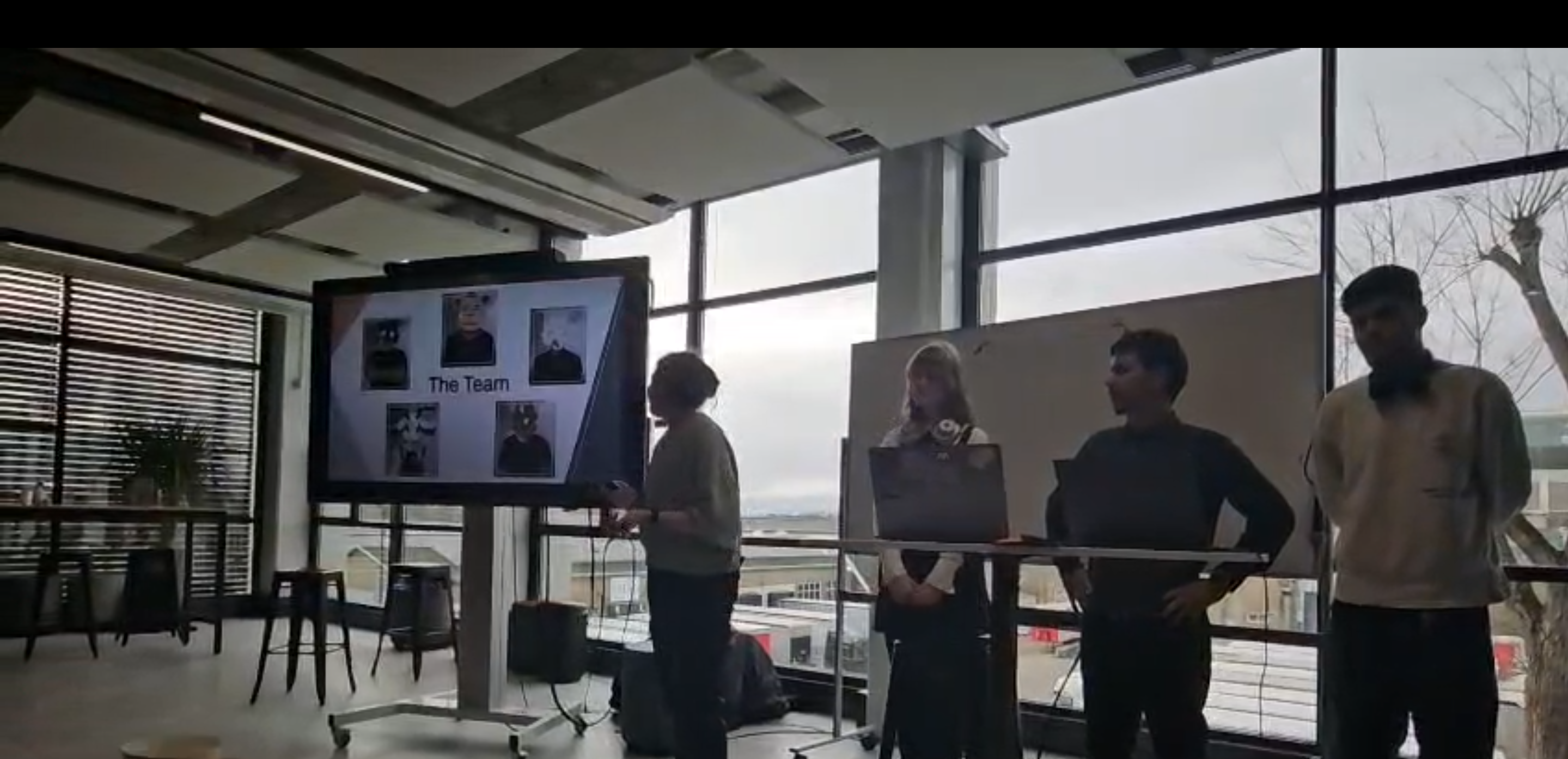
This is our client pitch presentation. The goal was to convince the client why our idea made sense and what value we could deliver. It fits LO4 because it shows stakeholder involvement, clear goals, and professional communication.

Link to the presentation: Pitch presentation

Proof 5

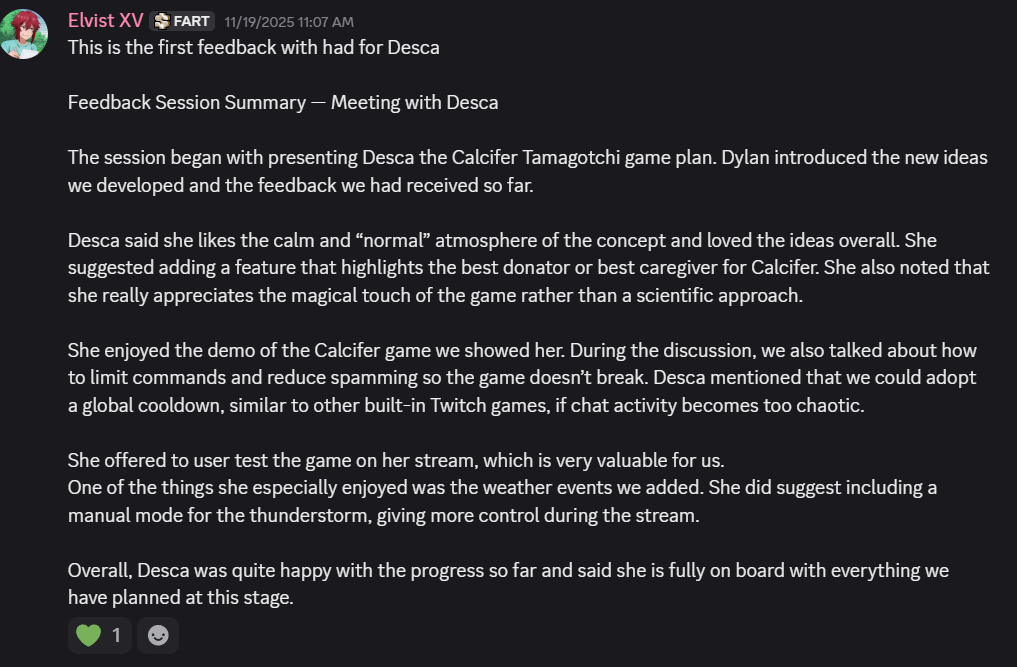
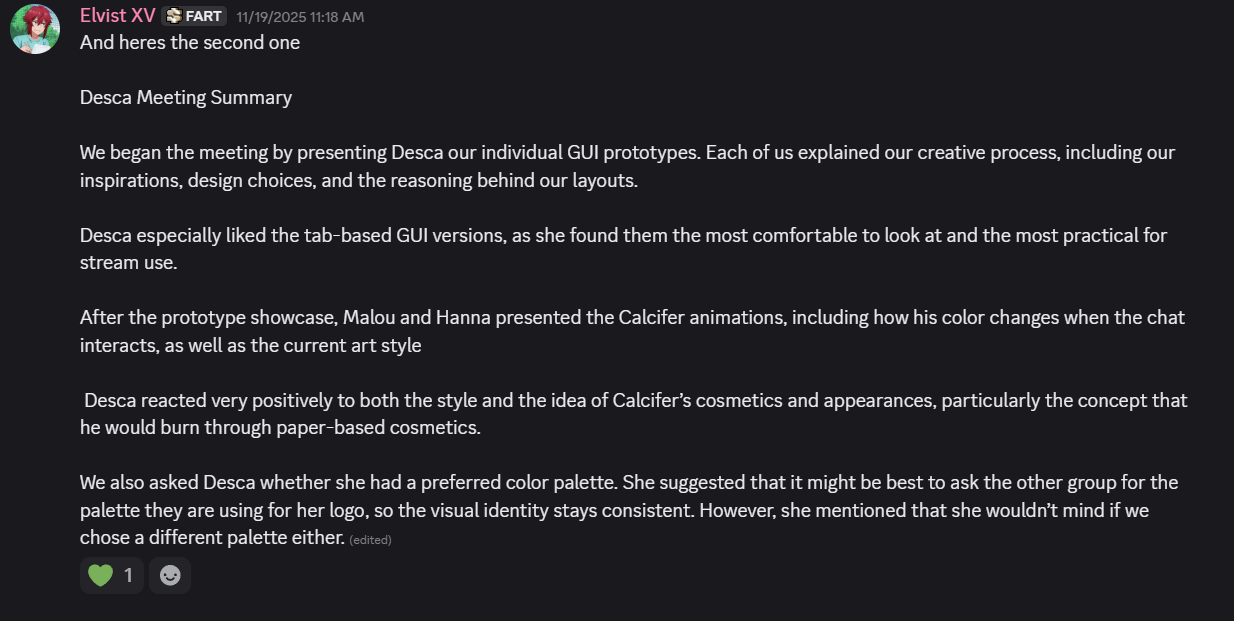
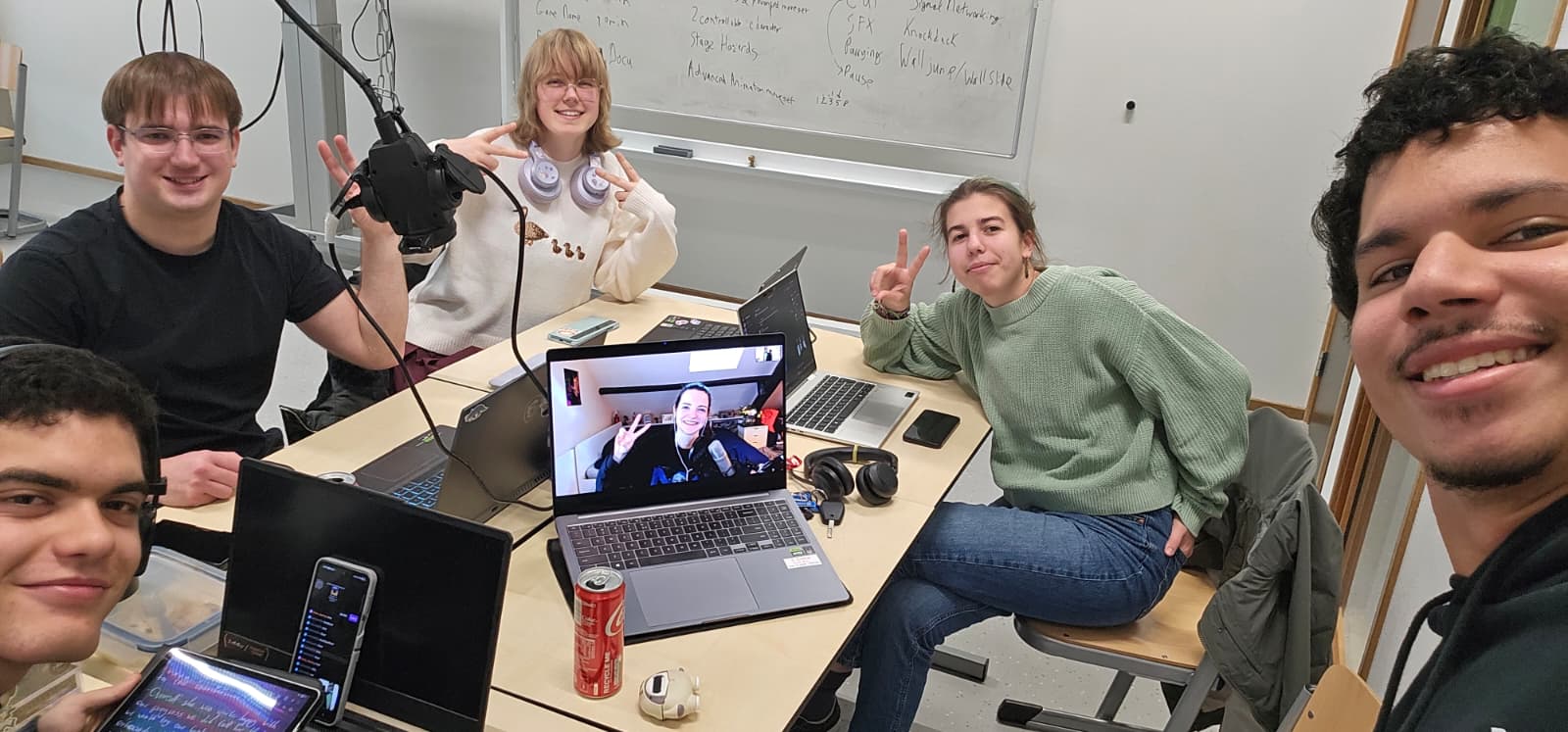
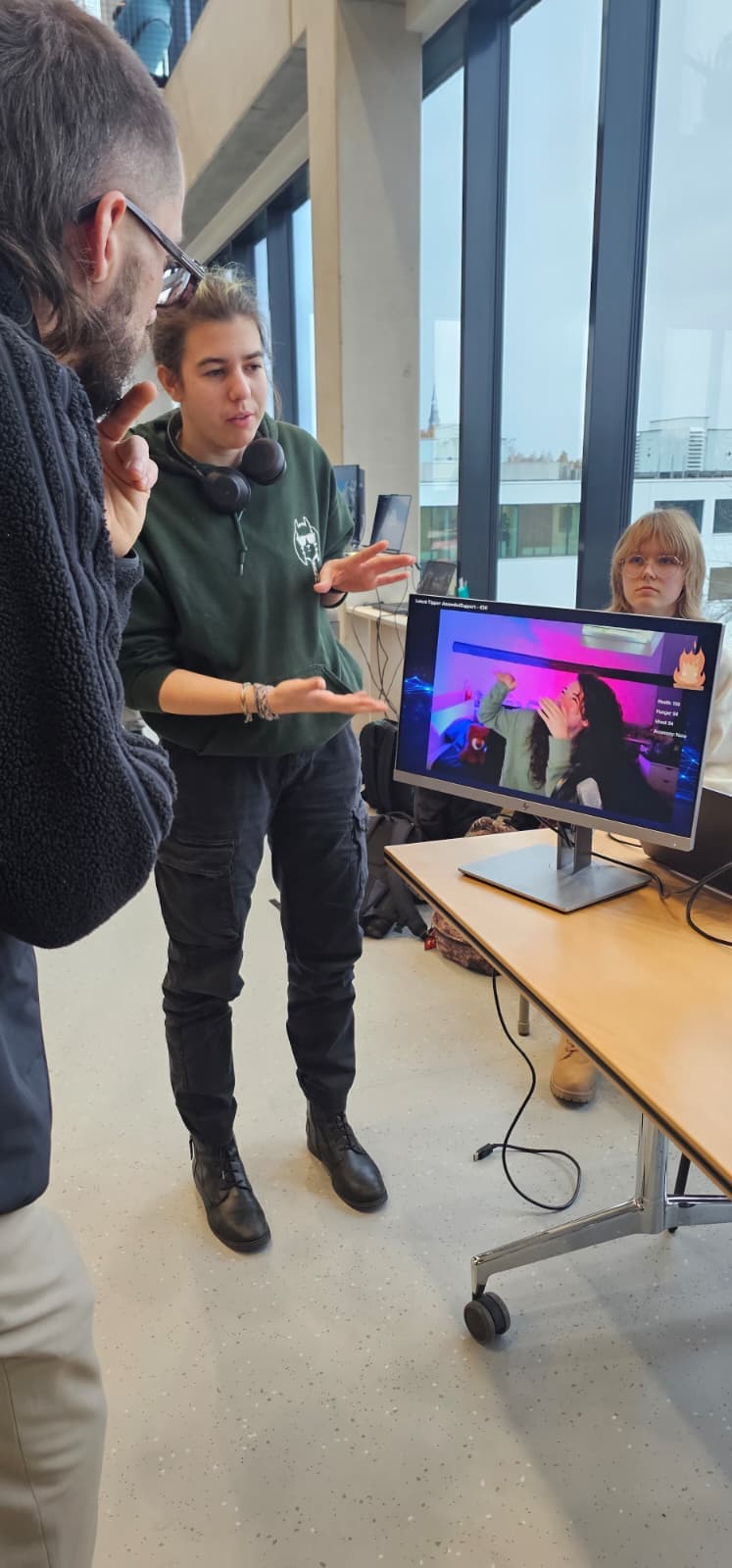
This is Desca meeting 1. We presented our idea, asked questions, and collected feedback directly from the client. It fits LO4 because it shows stakeholder involvement and decision-making based on what the client actually wants.

Proof 6

This is Desca meeting 2. Here we checked progress, confirmed what direction we should keep going in, and made sure the project still fit her needs. It fits LO4 because it shows continuous stakeholder involvement, not just one meeting and done.

Proof 7

This is our prototype presentation. We had to show what we built so far, explain how it works, and communicate what was still missing. It fits LO4 because it's basically reporting progress in a professional way to teachers/stakeholders.

Proof 8

This is the final presentation. Here we delivered the final outcome and explained the reasoning behind our choices. It fits LO4 because it shows final reporting and delivery, not just the build itself.

Here you can find the full presentation: Canva

Proof 9

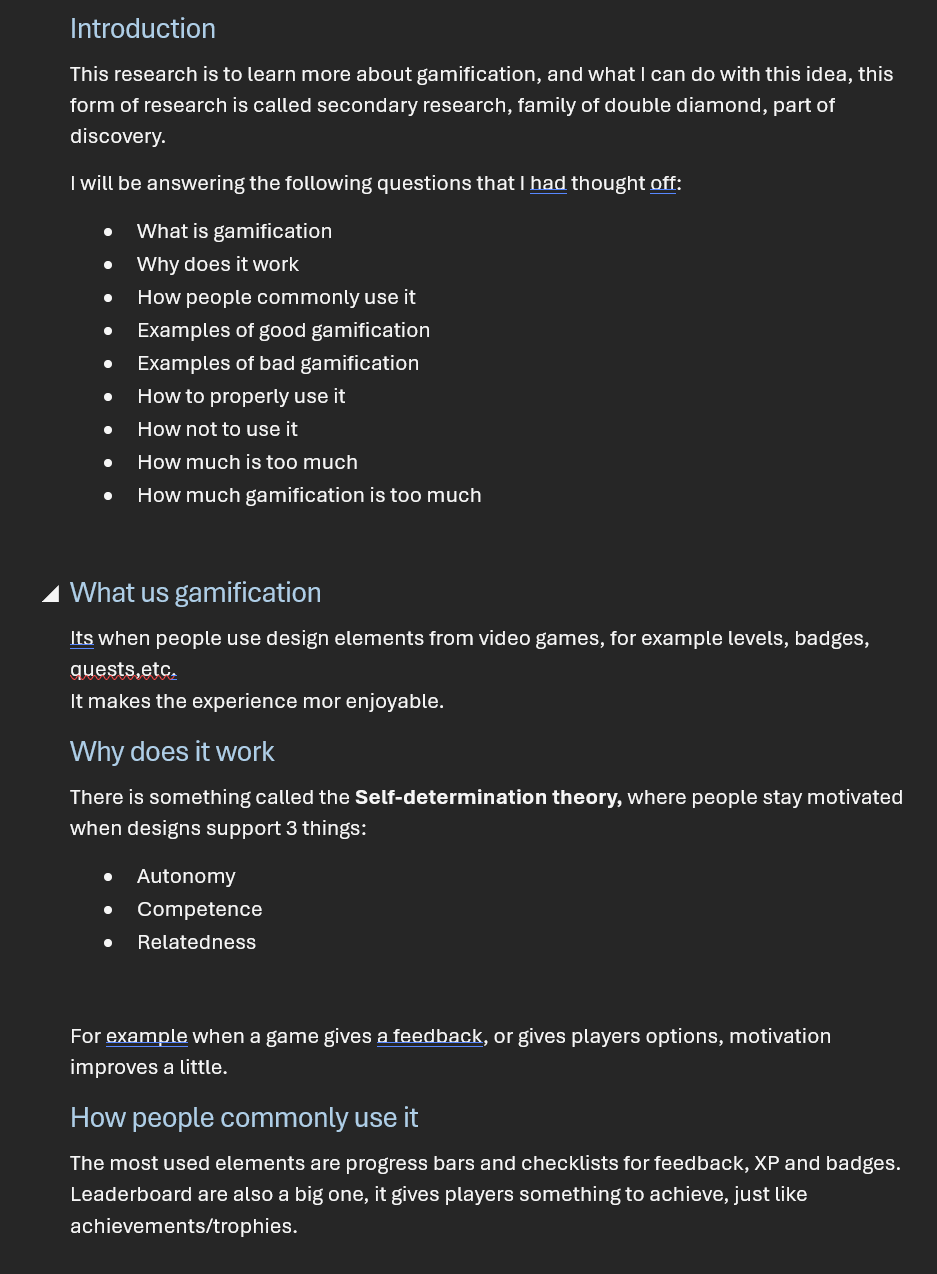
This is my gamification research document. It fits LO4 because it's applied research: I looked into what makes things engaging and how gamification can influence behavior, and I used that knowledge to support design decisions instead of purely going on vibes.

Read the whole doc here: Gamification Document

Proof 10

This is my game design research document. It fits LO4 because it's research with a goal: I wanted to understand what's realistic and what skills are needed if I move further into game design. It's also advice-oriented, because future students can use it as a starting reference too.

Read the whole doc here: Game design research Document

Reflection

Reflection text for LO4.

Learning Outcome 5

You are aware of your own strengths and weaknesses, both in the field of ICT and in your personal development. You choose actions in line with your core values to promote your personal growth and develop your learning attitude.

Proof 1

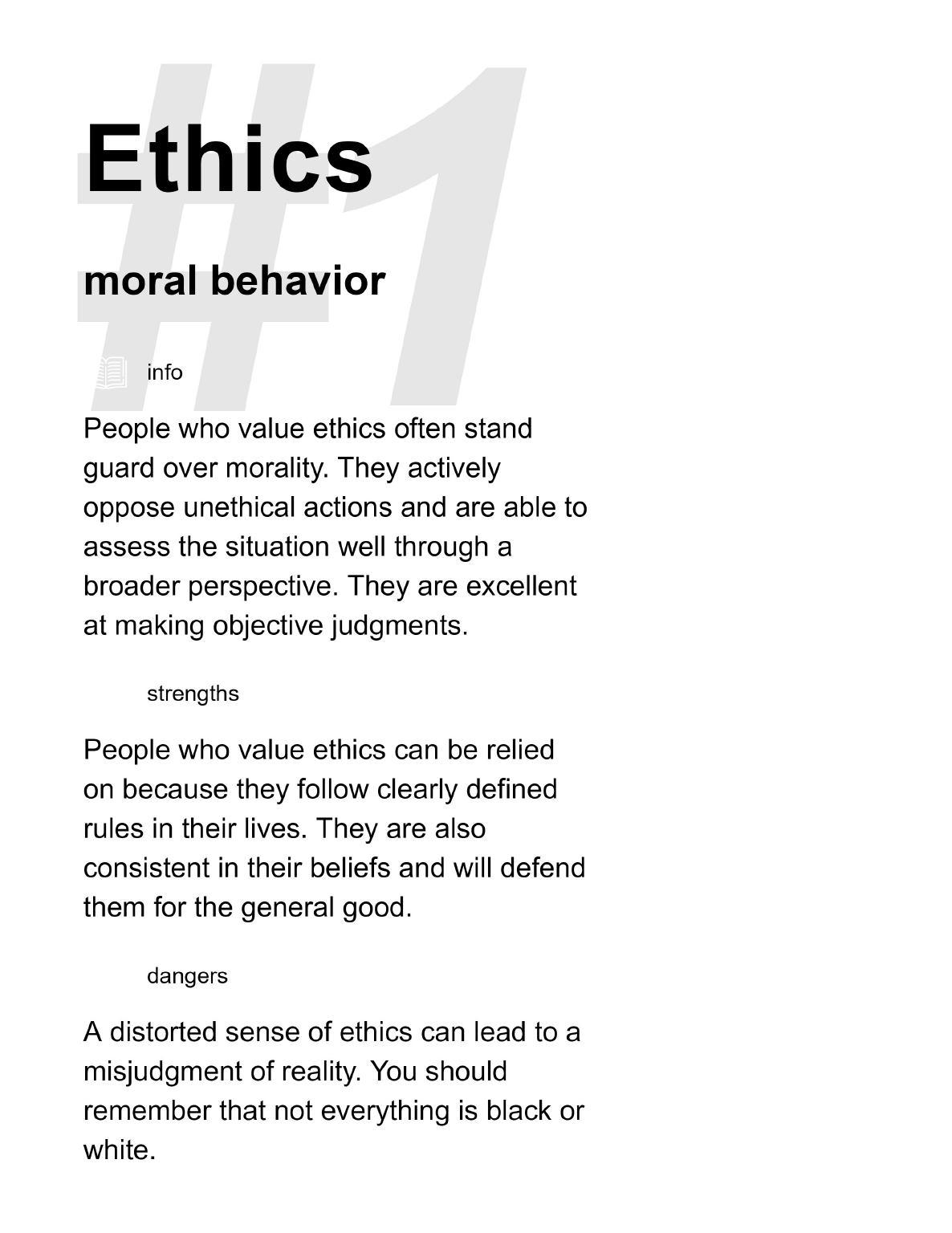
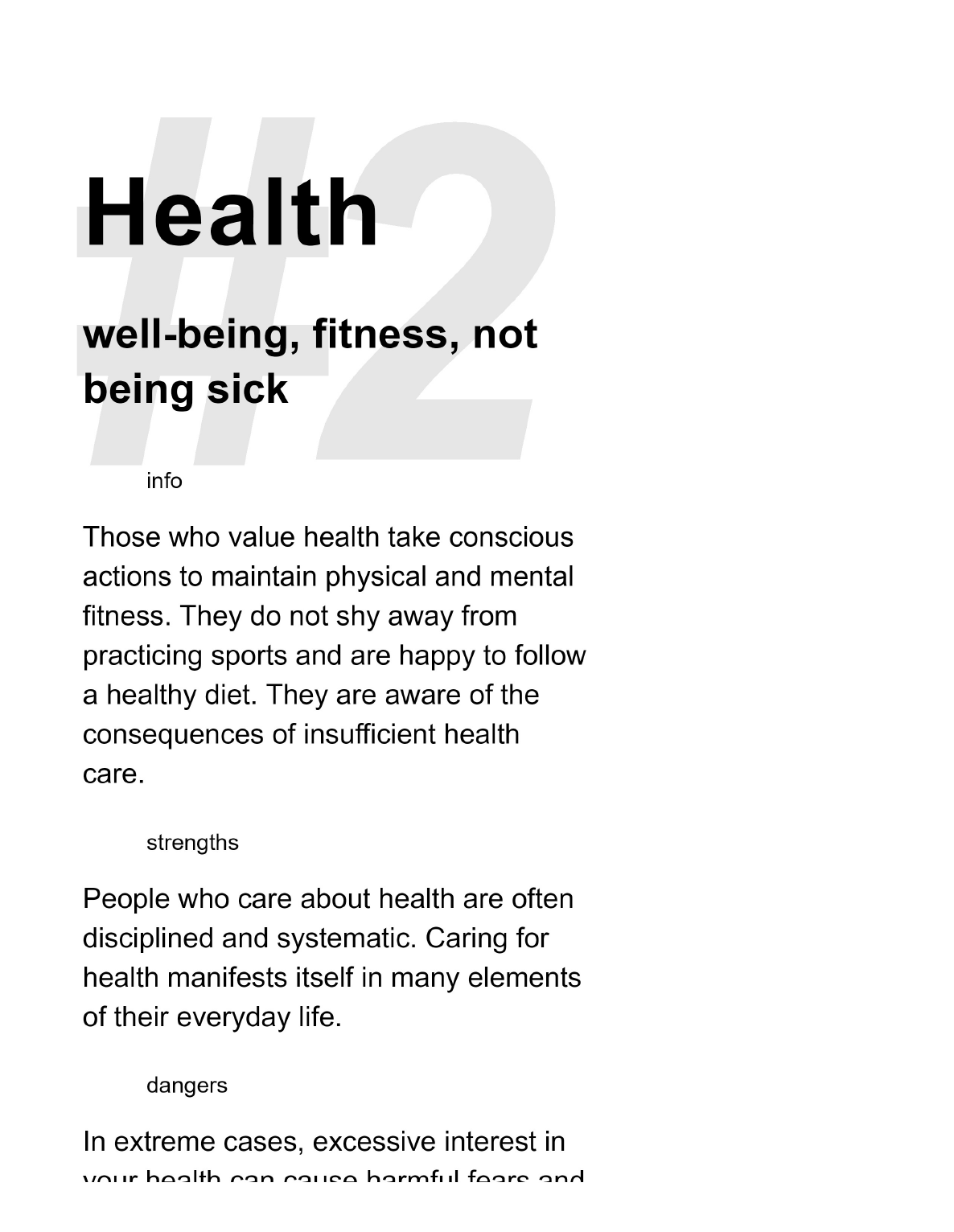
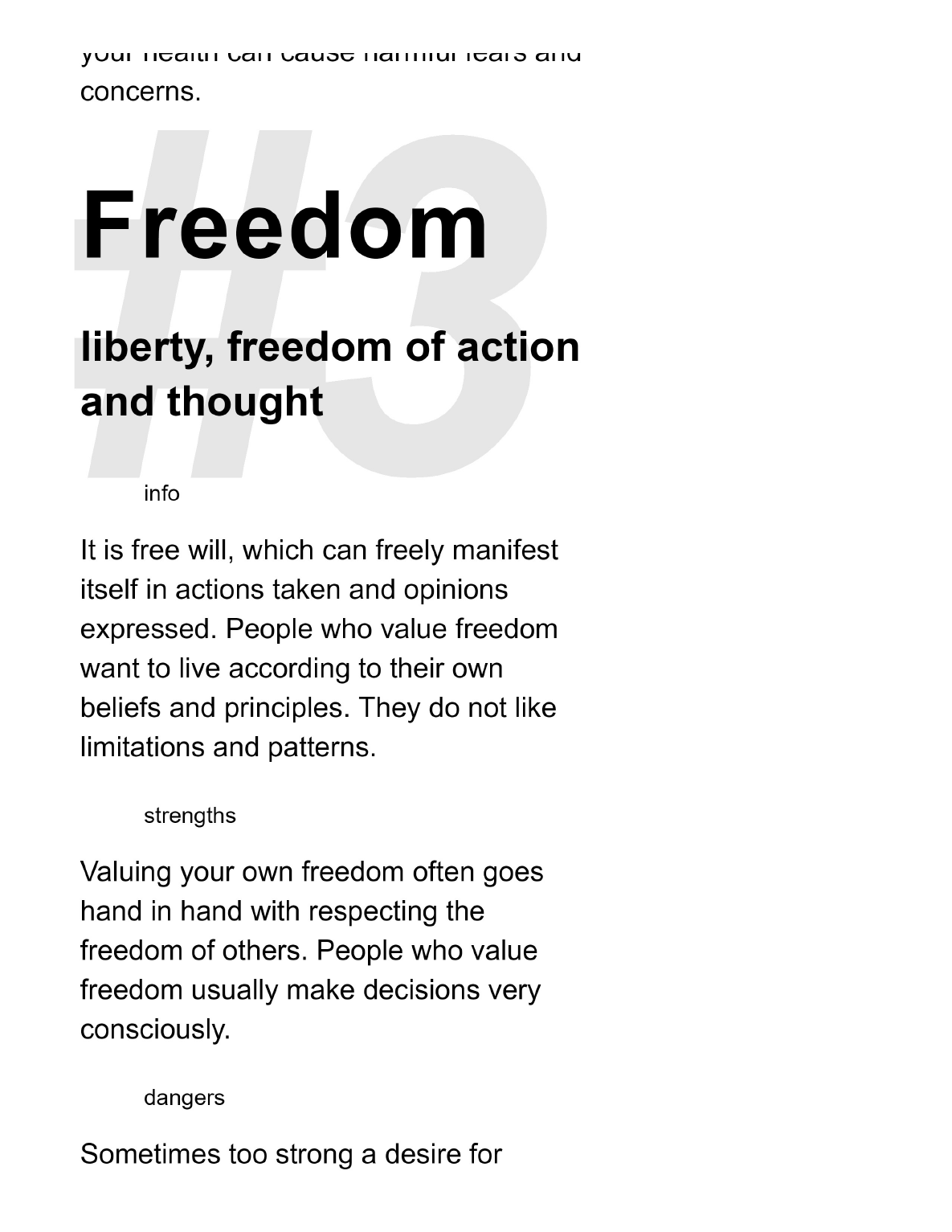
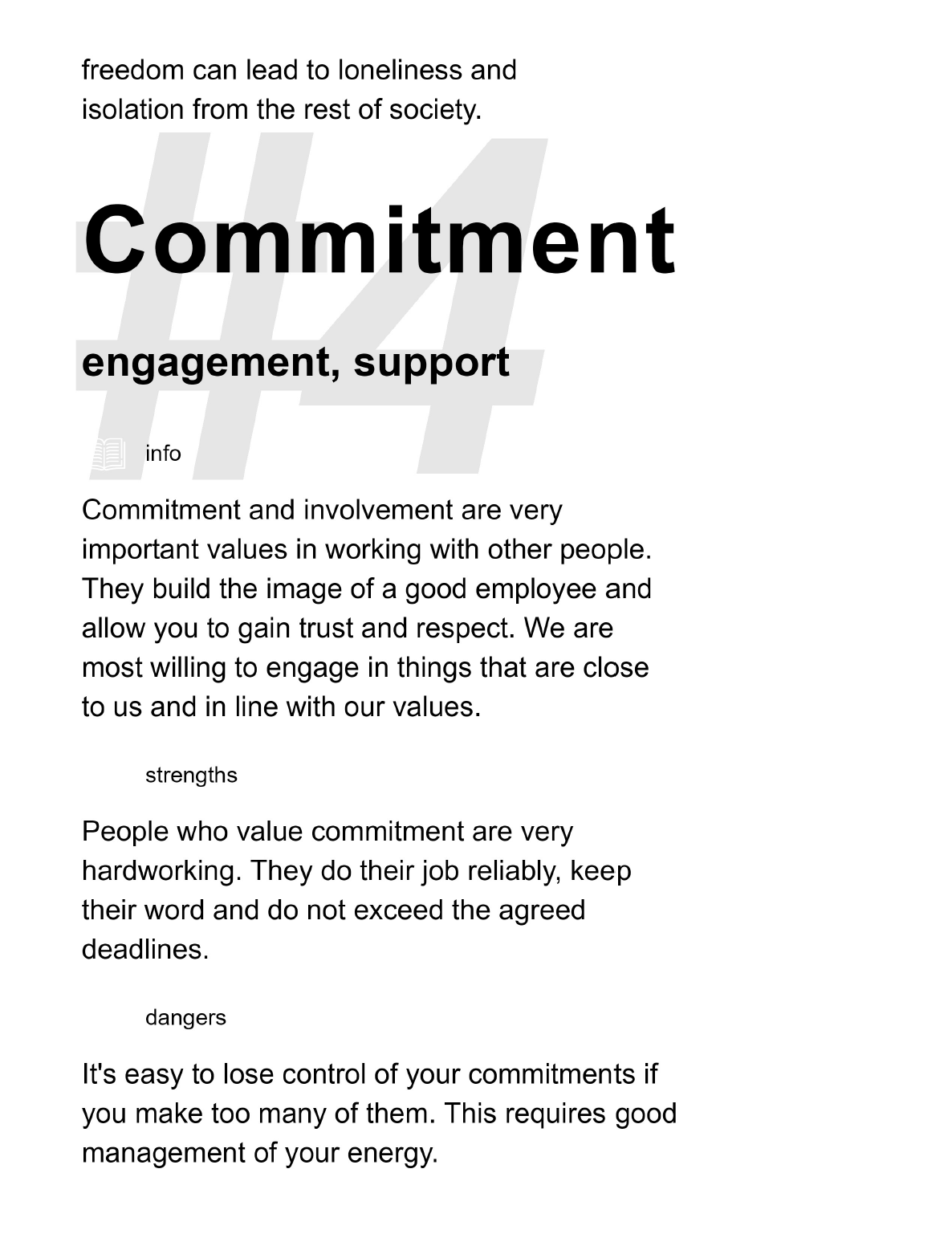
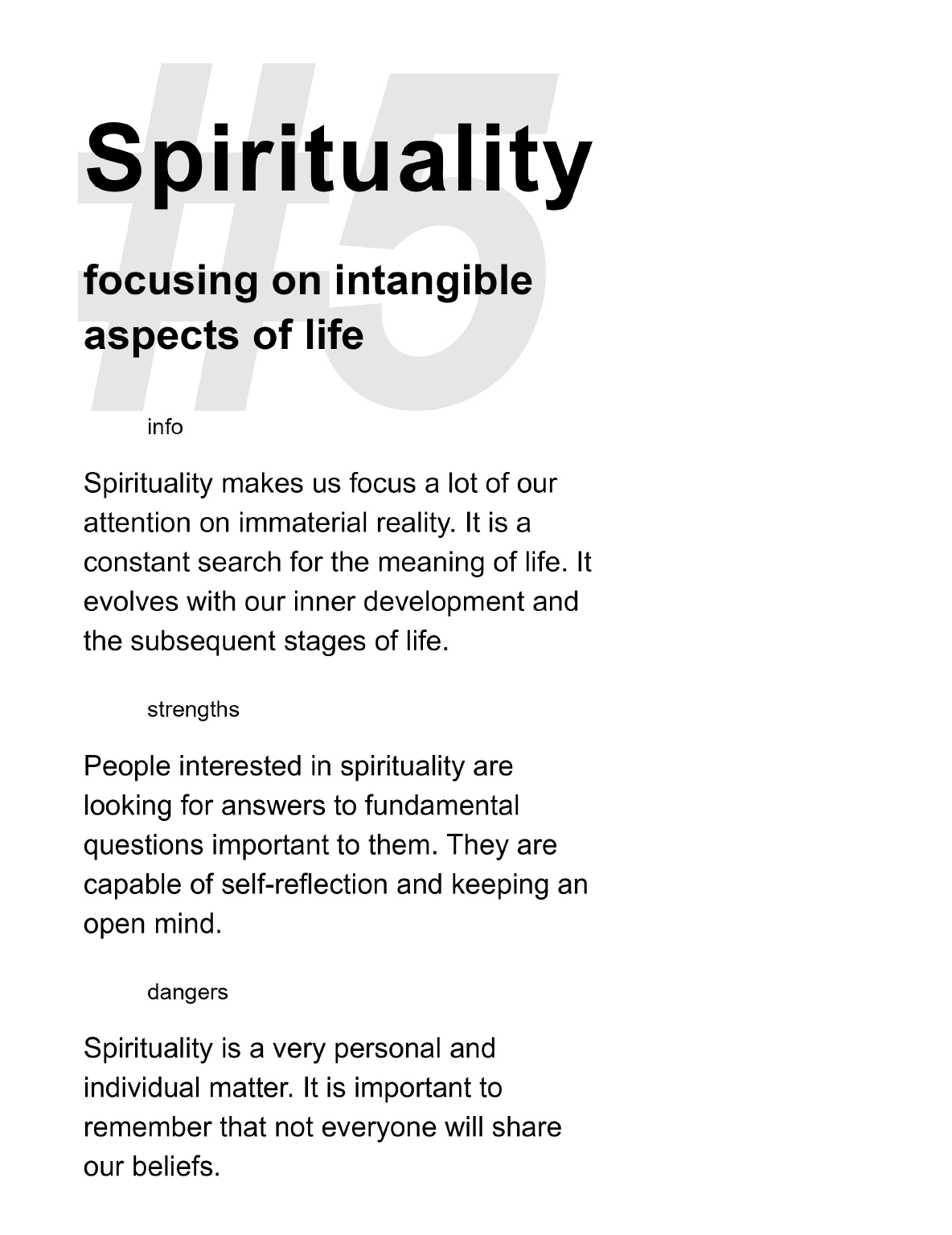
I did a personal values test to get a clearer view of what I actually stand for and what I naturally prioritize. This fits LO5 because it connects directly to “acting in line with my core values” it helped me put words on what drives me, so I can make better choices during projects instead of just going on autopilot.

Here I have the document fr you to full view but its in the images aswell: My values

Proof 2

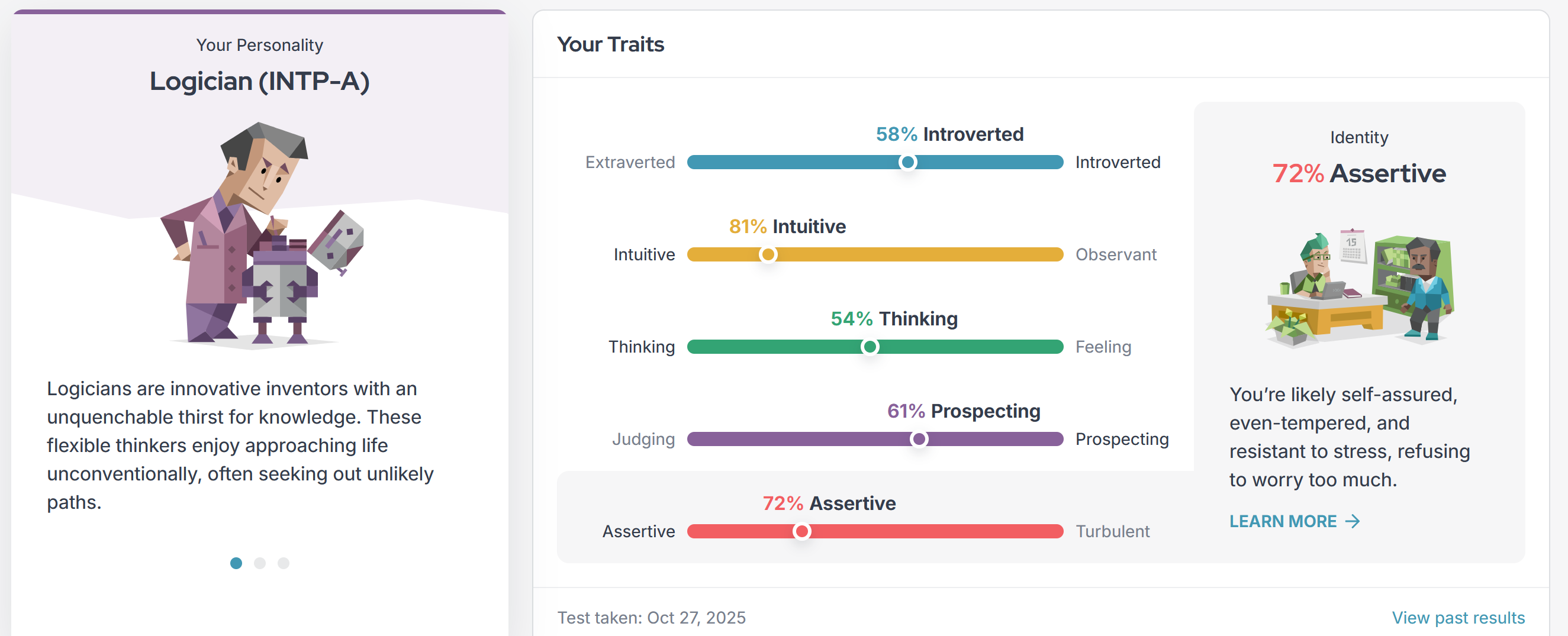
I also did a personality test to understand how I work, how I communicate, and what I do under pressure. This connects to LO5 because its about knowing my strengths and weaknesses, and it gives me something concrete to improve on instead of guessing.

Proof 3

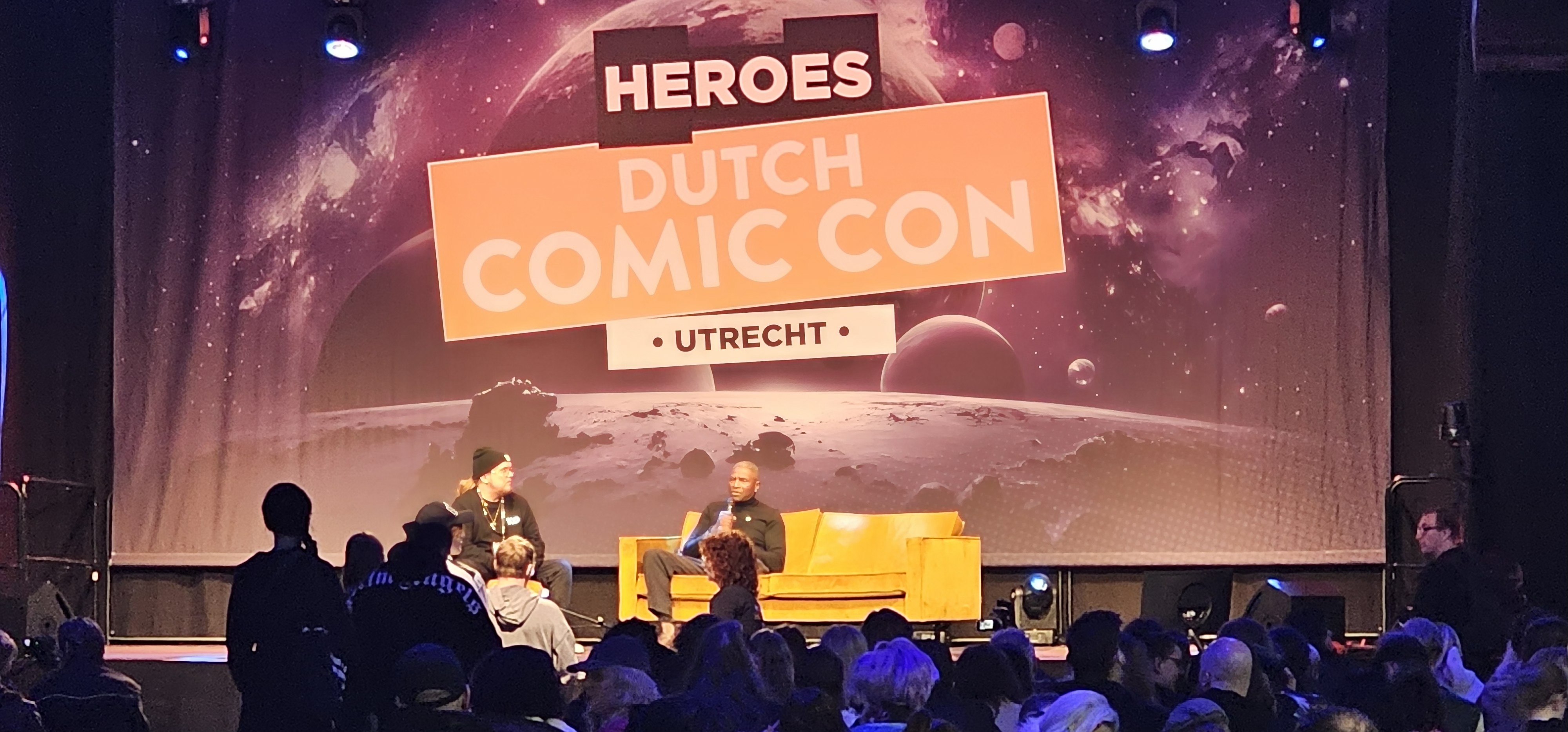
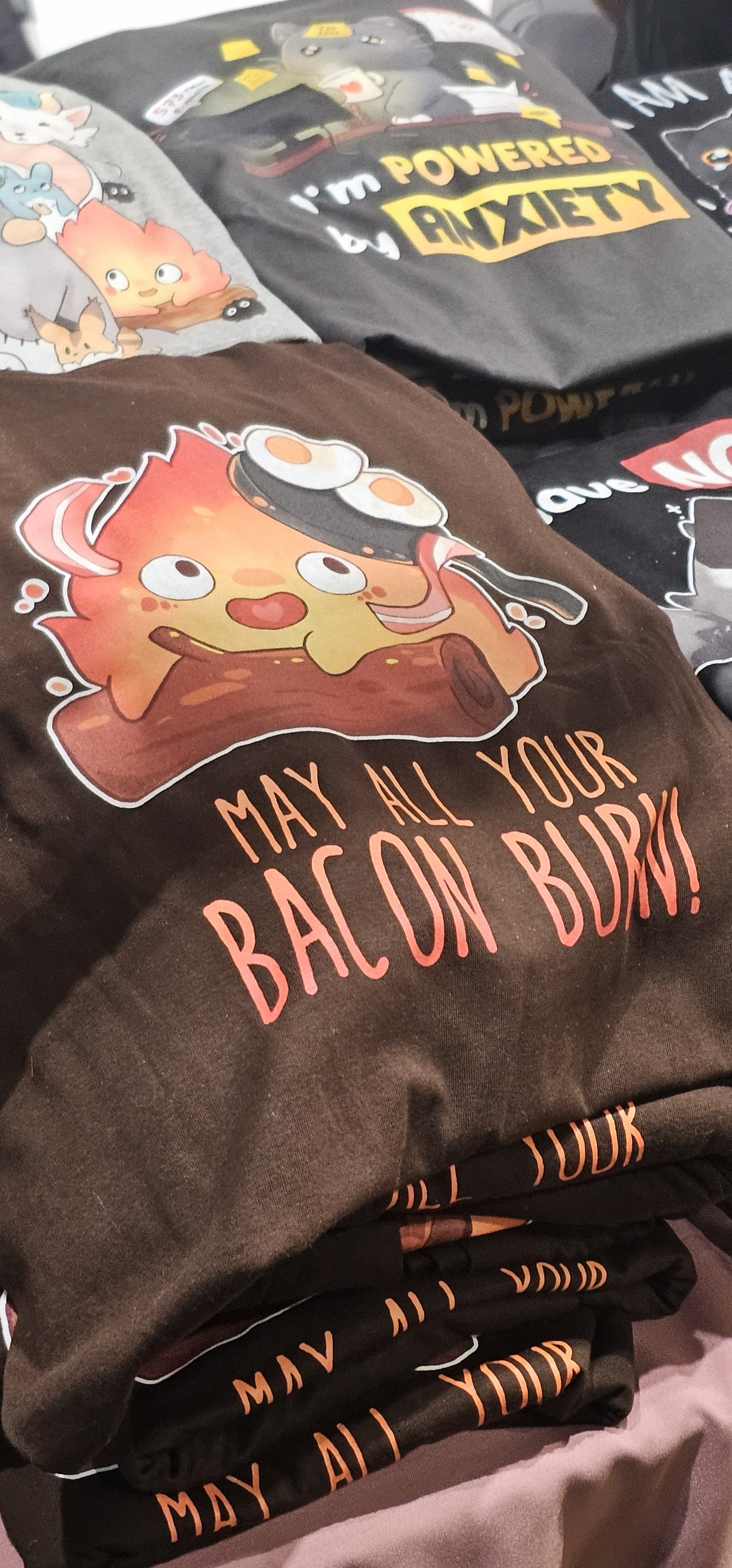
I went to Comic Con because I'm a media student and I love games, so I wanted to learn more about the world I'm entering. There were a lot of different artists and styles there, which gave me inspiration and also helped me understand how creative communities work in real life. This fits LO5 because it shows initiative and personal growth outside school.

Proof 4

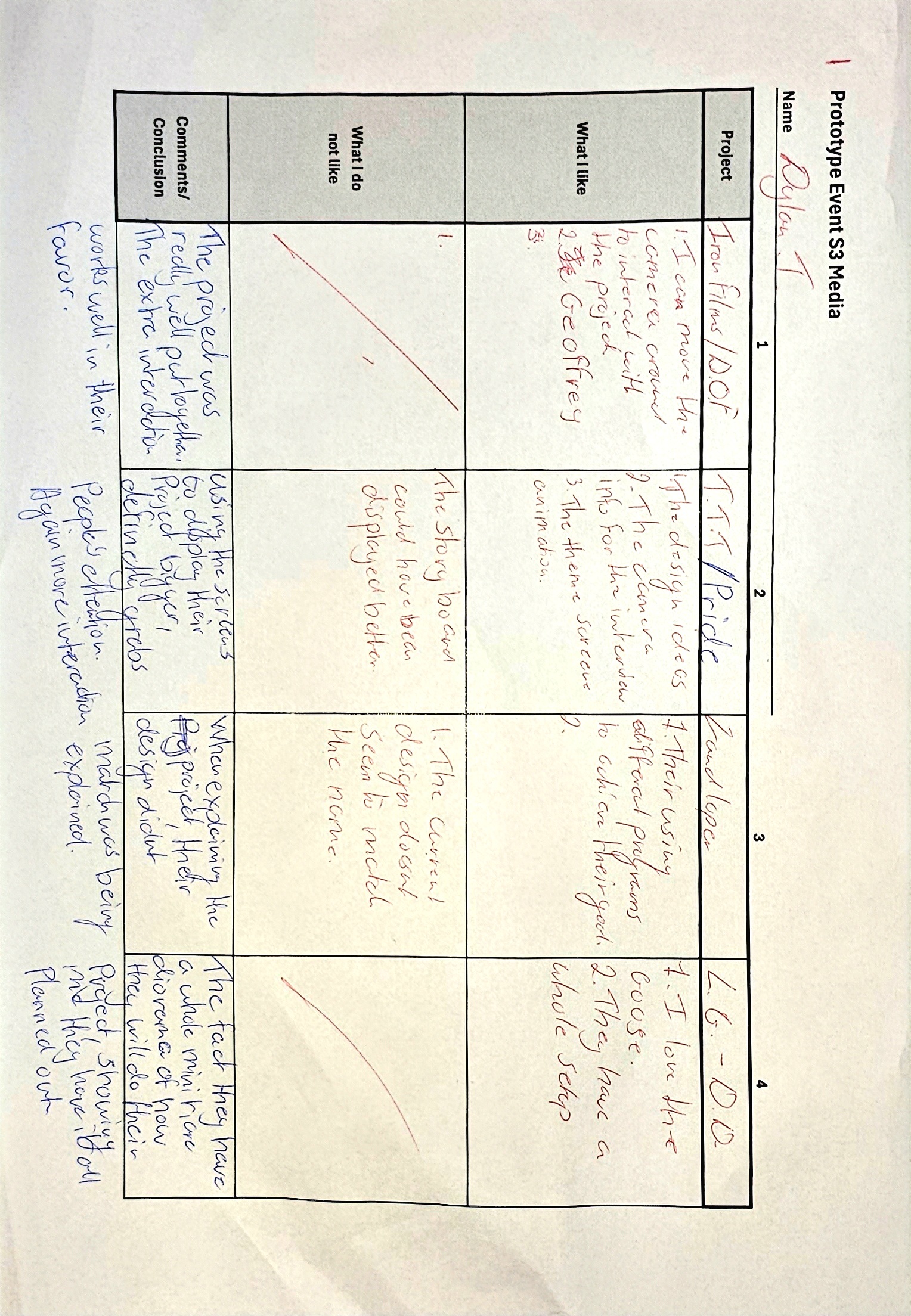
During the project I kept a paper where I wrote feedback down. It's the same paper I also show at LO4 (prototype presentation). For LO5, it matters because it shows my learning attitude: I don't just hear feedback and forget it I collect it and use it to improve.

Proof 5

I joined a Blender workshop at school to improve my skills in 3D. This fits LO5 because it's a clear example of me pushing my own growth and building confidence in something new, instead of staying only in what I already know.

Proof 6

I attended an Unreal Engine workshop to get more familiar with real game development tools and how they work. This fits LO5 because it connects to my future goals in game design, and it shows I'm actively investing time into learning beyond the minimum.

Proof 7

This semester I had to use my planning skills a lot because I was moving while still trying to keep up with school. At the start it was going okay, but toward the end the planning didn't work anymore and I focused most of my attention on moving. This fits LO5 because it shows self-awareness, and I know what I'd do differently next time: start planning at least a month earlier.

Proof 8

At the beginning of the semester we did retrospectives after sprints, and they were actually helpful. Later on we silently stopped doing them, and I think that played a part in why progress slowed down. This fits LO5 because it's reflection on teamwork habits, and in the future I want to learn how to keep retros going so motivation and alignment don't drop.

Reflection

This semester taught me a lot about how I work when life gets busy and why consistency matters. I learned more about myself through a personal values test and a personality test, which helped me understand what drives me and where my weak spots are. I also tried to put myself in creative places like Comic Con, because I want to grow into the media and game world and not only stay inside school work. Seeing different artists and styles reminded me why I like this field and gave me new inspiration.

Skill-wise, I pushed myself by attending workshops like Blender and Unreal Engine. I'm still learning, but I like that I'm building confidence with tools that match what I want to do in the future. At the same time, I noticed my planning needs to be stronger when big life events happen. Because I was moving during the semester, I had to plan carefully, and at first it worked. But near the end moving took most of my focus, and I started falling behind. Next time, I want to start planning at least a month earlier so I have space for surprises.

Another lesson was how much team routines matter. In the beginning, sprint retros helped, but later we stopped without really talking about it, and I think that made it easier for motivation to drop and progress to slow down. In the future I want to learn how to keep retros going or bring them back, even if it's short, because it keeps everyone aligned and catches issues earlier. Overall I'm proud that I kept improving and still delivered work while juggling a lot, and I'm taking these lessons into the next semester.